Threat Intelligence Integration

Threat intelligence transforms vast amounts of raw cybersecurity data into actionable insights that empower organizations to anticipate, rather than simply react to, emerging threats. In today’s dynamic threat landscape, relying solely on reactive measures leaves businesses vulnerable to sophisticated attacks that exploit zero-day vulnerabilities, social engineering, and evolving malware techniques. Effective threat intelligence combines information […]

Read more

UX Metrics & Performance Optimization

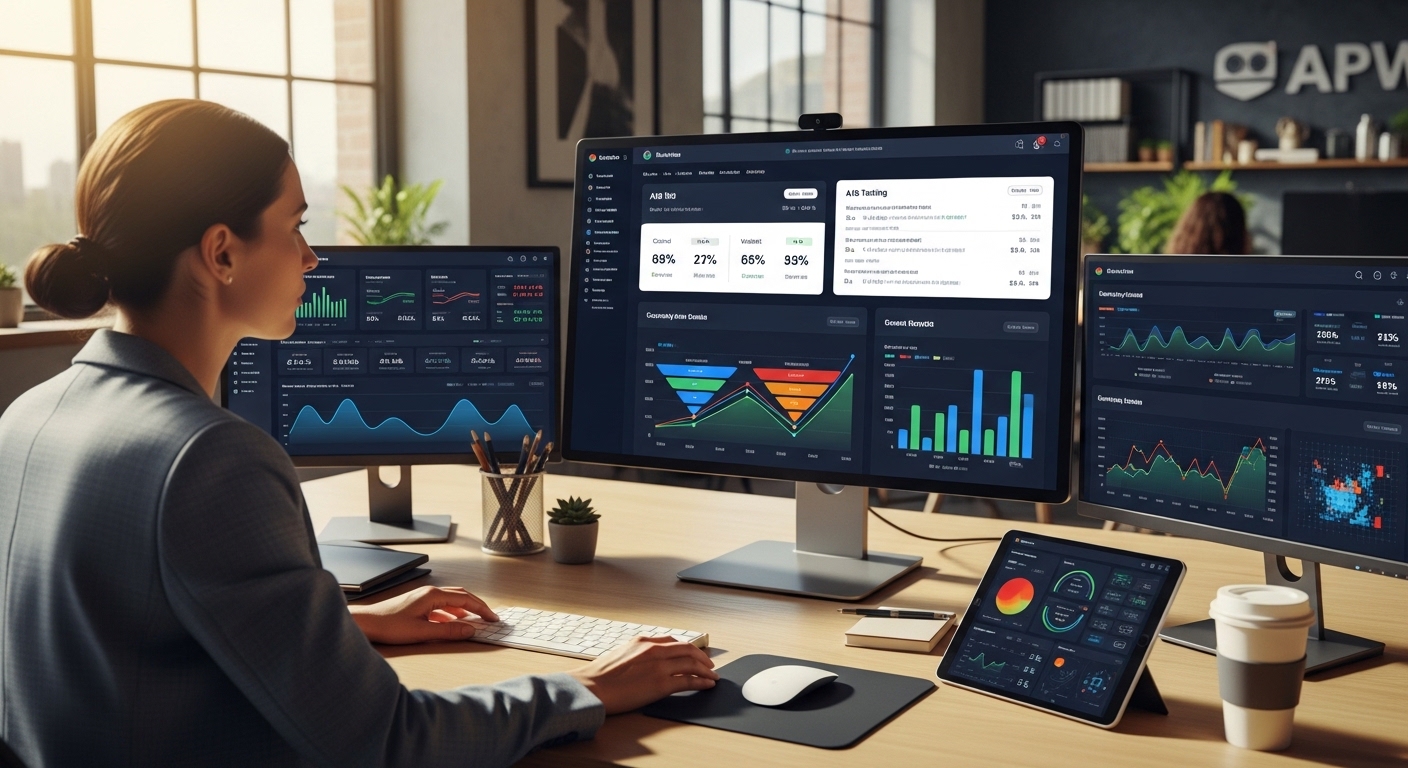
Measuring performance is a cornerstone of validating and refining UI/UX strategy. Objective metrics provide designers and stakeholders with tangible indicators of user experience quality, helping ensure that design decisions align with business goals. Key performance measures include task completion rate, error frequency, session duration, churn rate, and Net Promoter Score (NPS). Together, these metrics reveal […]

Read more

Email Marketing Automation

Email marketing continues to be one of the most effective digital channels, delivering consistently high conversion rates even in the age of social media. Its strength lies in the ability to reach audiences directly, and when combined with automation, it becomes a scalable tool for personalized engagement. Segmentation is central to success. Subscribers are grouped […]

Read more

Performance Optimization & Web Speed

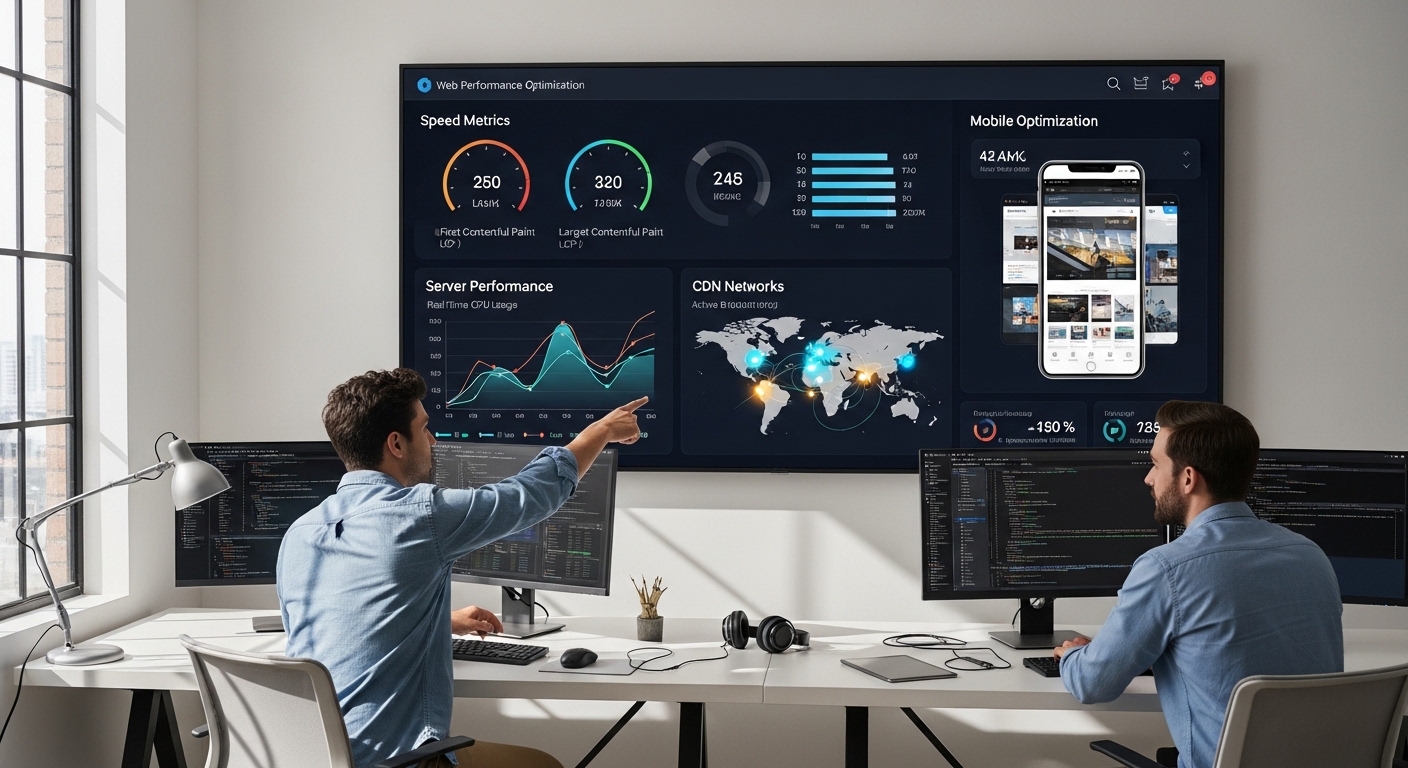
Website speed is a critical factor in delivering an exceptional user experience and improving search engine visibility. In today’s digital landscape, performance optimization is not optional—it is a strategic priority. Slow-loading pages frustrate users, increase bounce rates, and reduce conversions, making speed a direct contributor to business outcomes. Modern web development employs a variety of […]

Read more

Data Visualization Strategy

Insights hold limited value if they cannot be communicated effectively. Data visualization transforms complex analytical outputs into clear, actionable intelligence, bridging the gap between technical analysis and executive decision-making. By representing data visually, organizations allow stakeholders to quickly identify trends, patterns, and anomalies, supporting informed and timely decisions. Effective visualization emphasizes clarity over decoration. Every […]

Read more

The Rise of Smart Devices and IoT Ecosystems

The Internet of Things (IoT) has revolutionized how devices operate, transforming isolated gadgets into interconnected intelligent systems. Across industries, IoT enables real-time monitoring, automated decision-making, and enhanced operational efficiency. From smart homes and wearable health monitors to industrial automation and connected transportation networks, IoT ecosystems generate continuous streams of actionable data. Smart sensors play a […]

Read more

Design Systems and Scalability

As brands grow and digital ecosystems expand, design complexity naturally increases. Without structure, inconsistencies appear across platforms, teams, and touchpoints, diminishing brand cohesion and user experience. Design systems address this challenge by providing a centralized framework of reusable components, standardized guidelines, and shared principles that unify visual and interaction design across products. A comprehensive design […]

Read more

LED Screens for Events and Entertainment

The events and entertainment industry depends on striking visuals to create memorable experiences, and LED screens have become indispensable in achieving this goal. From concerts and sports events to conferences, trade shows, and live performances, LED technology allows organizers to deliver large-scale dynamic visuals that captivate audiences and enhance engagement. High refresh rates and exceptional […]

Read more

Endpoint Security Evolution

Endpoints have emerged as the primary gateways for cyber attacks in today’s increasingly connected world. Laptops, smartphones, tablets, and IoT devices operate across multiple locations and networks, significantly expanding the attack surface for organizations. Traditional antivirus solutions are no longer sufficient to protect these devices. Modern endpoint security must evolve to address sophisticated threats while […]

Read more

Predictive Analytics

While descriptive analytics provides insight into past events, predictive analytics focuses on anticipating future outcomes. By leveraging historical datasets, statistical models, and machine learning techniques, organizations can estimate trends, behaviors, and potential risks before they occur. This forward-looking approach transforms data from a retrospective tool into a strategic asset that informs proactive decision-making. Predictive models […]

Read more