
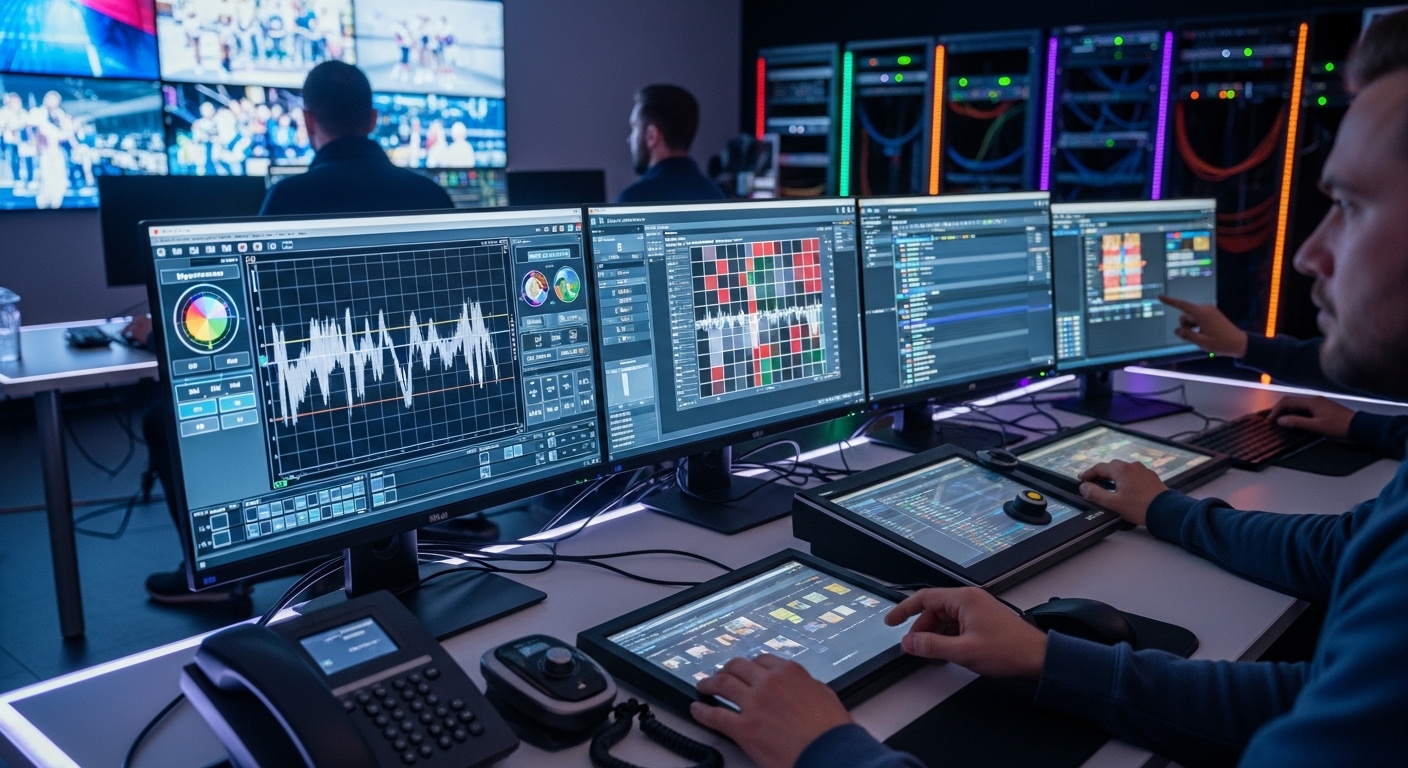
Maximizing the performance of LED screens is essential to ensure long-term reliability, visual quality, and return on investment. Proper optimization allows businesses to maintain consistent performance while delivering impactful visual content.
The first step in optimization is selecting the right resolution and pixel pitch. The viewing distance and application determine the ideal configuration. Higher resolution is suitable for close viewing environments, while larger pixel pitch works well for large outdoor displays.
Brightness calibration is another critical factor. Adjusting brightness levels based on the environment ensures optimal visibility without excessive energy consumption. Proper calibration also enhances color accuracy and prevents visual strain.
Content optimization plays a significant role in performance. High-quality visuals, appropriate contrast, and well-designed layouts improve readability and engagement. Content should be tailored specifically for LED screens to maximize clarity and impact.
Regular maintenance is essential for long-term efficiency. Cleaning panels, checking connections, and monitoring system performance help prevent technical issues and extend the lifespan of the display.
System integration enhances functionality. Connecting LED screens with control systems and content management platforms allows for seamless operation and real-time updates, improving overall efficiency and usability.
For organizations like Sage LED Screen, optimizing LED performance ensures consistent quality, reliable operation, and impactful visual communication across all applications.
In today’s visually driven world, maintaining high-performance LED systems is crucial for delivering engaging and effective digital experiences that leave a lasting impression.