User Experience Flow

UI/UX strategy has become a critical element in building successful digital products and meaningful customer experiences. Modern businesses no longer focus only on visual appearance; they prioritize intuitive interaction, seamless navigation, and user centered design that improves engagement and satisfaction. A strong UI/UX strategy combines creativity, psychology, technology, and usability principles to create digital experiences […]

Read more

LED-Driven UX Innovation

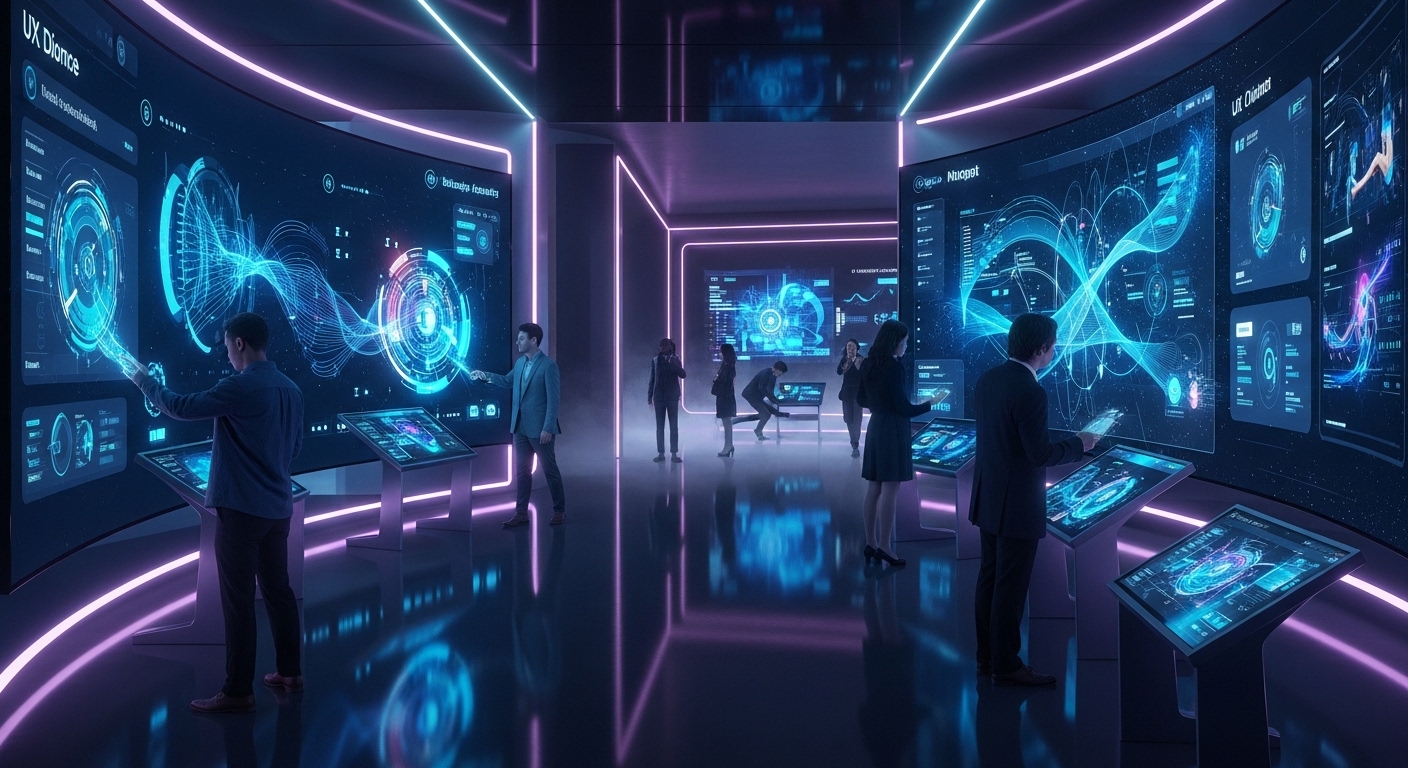
Sage LED Screen is revolutionizing UI/UX strategy by merging advanced LED display technology with intelligent user experience design. In today’s fast-paced digital environment, businesses must deliver visually engaging and highly interactive experiences that not only attract attention but also guide users toward meaningful actions. Through high-resolution LED displays and dynamic interface systems, Sage LED Screen […]

Read more

Smart LED UX Strategy

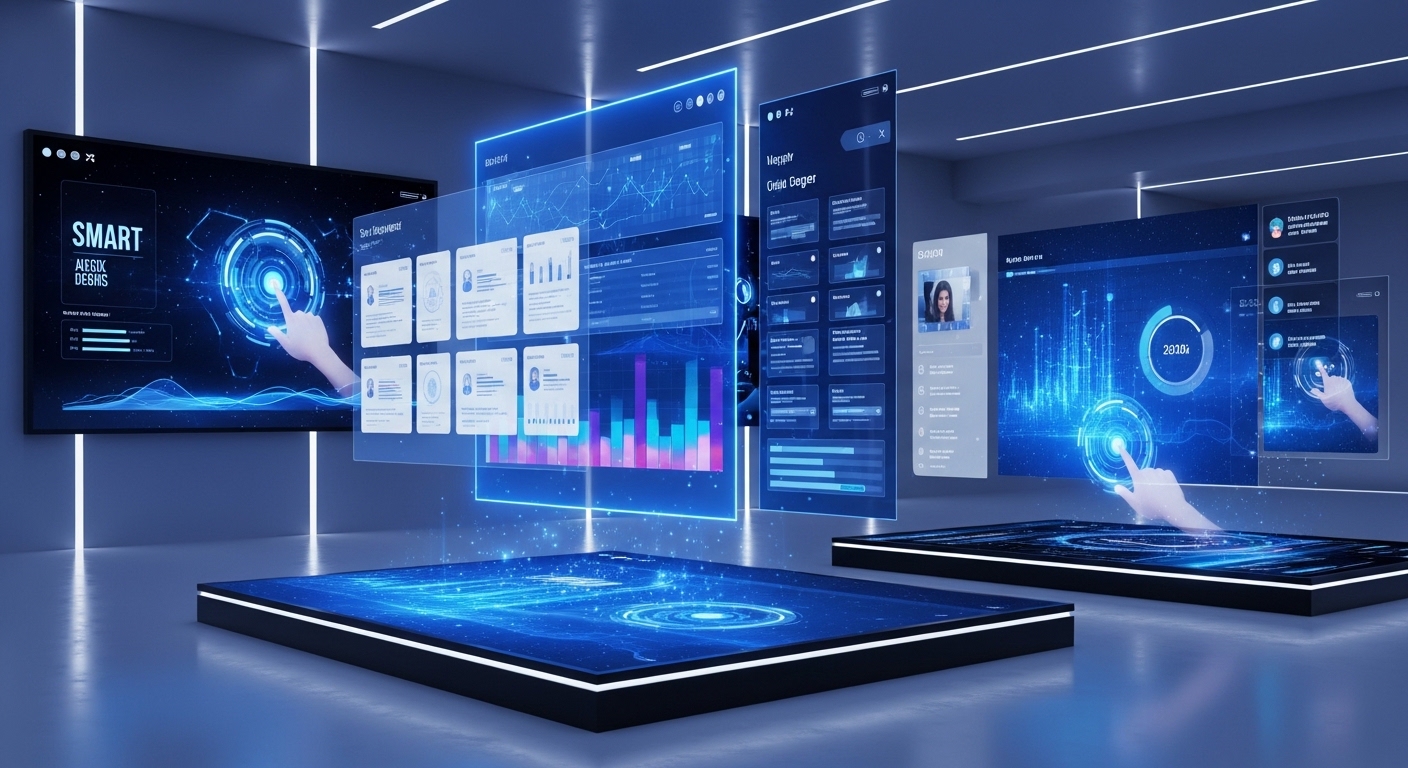
Sage LED Screen is transforming how businesses approach user experience by integrating advanced LED display technology with modern UI/UX strategy principles. In a digital-first world, visual communication is no longer just about display quality, but about how users interact with content in real time. By combining intuitive interface design with high-performance LED screens, Sage LED […]

Read more

Optimizing User Experience

Optimizing user experience is a core objective of any effective UI/UX strategy. It focuses on improving how users interact with a product, ensuring that every element is designed for ease of use, efficiency, and satisfaction. The first step in optimization is usability. Interfaces must be simple, intuitive, and easy to navigate. Users should be able […]

Read more

Designing User Journeys

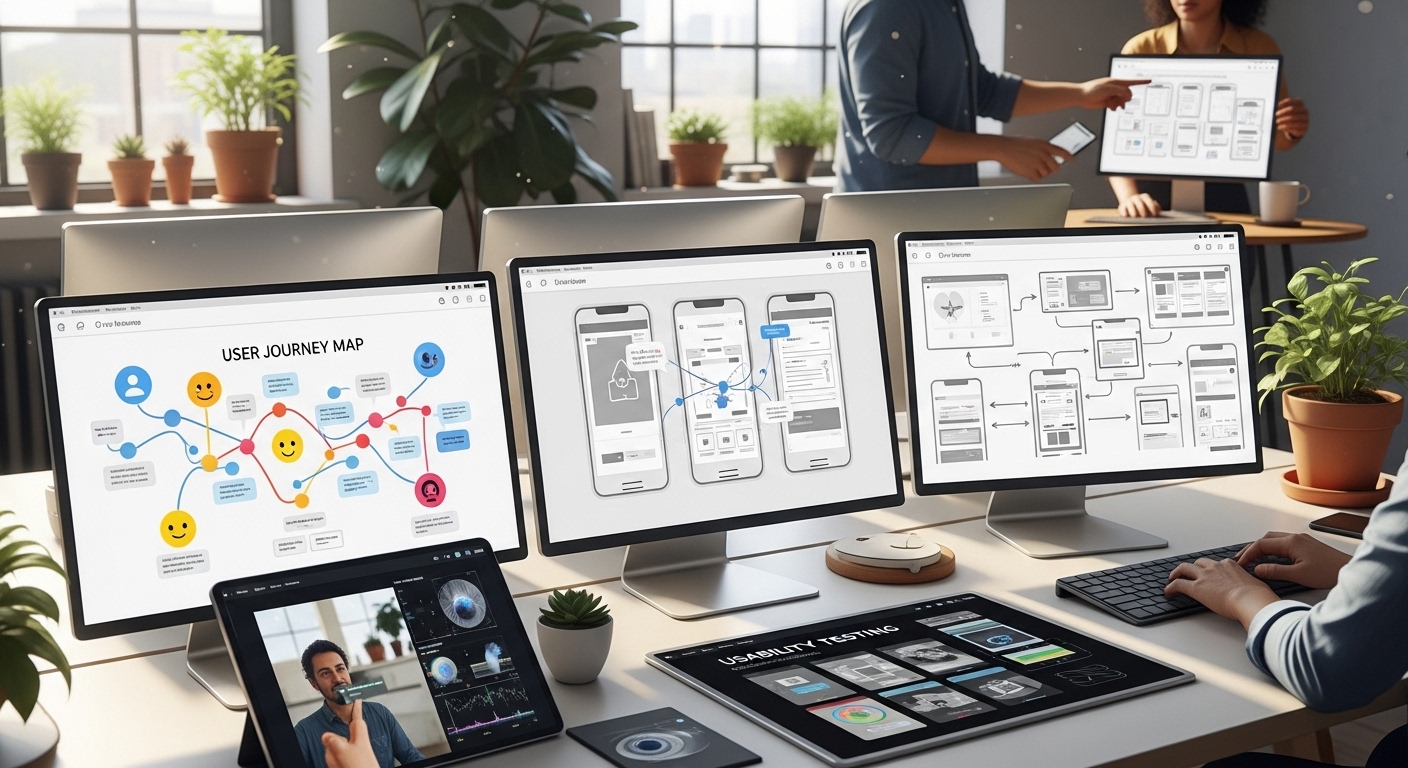
A successful UI/UX strategy begins with understanding and designing seamless user journeys. Every interaction a user has with a product or platform should feel intuitive, efficient, and meaningful. Well-structured user journeys enhance satisfaction and increase engagement. The process starts with user research. Identifying user needs, behaviors, and expectations allows designers to map out clear pathways […]

Read more

Future Trends in UI/UX Strategy

The future of UI/UX strategy is being reshaped by the rapid pace of technological innovation. Artificial intelligence is driving adaptive interfaces that personalize layouts, content, and workflows in real time, enabling experiences that respond to individual preferences and behaviors. These AI-powered interfaces enhance usability while increasing engagement and efficiency across digital platforms. Voice and conversational […]

Read more

Cross-Platform Experience Strategy

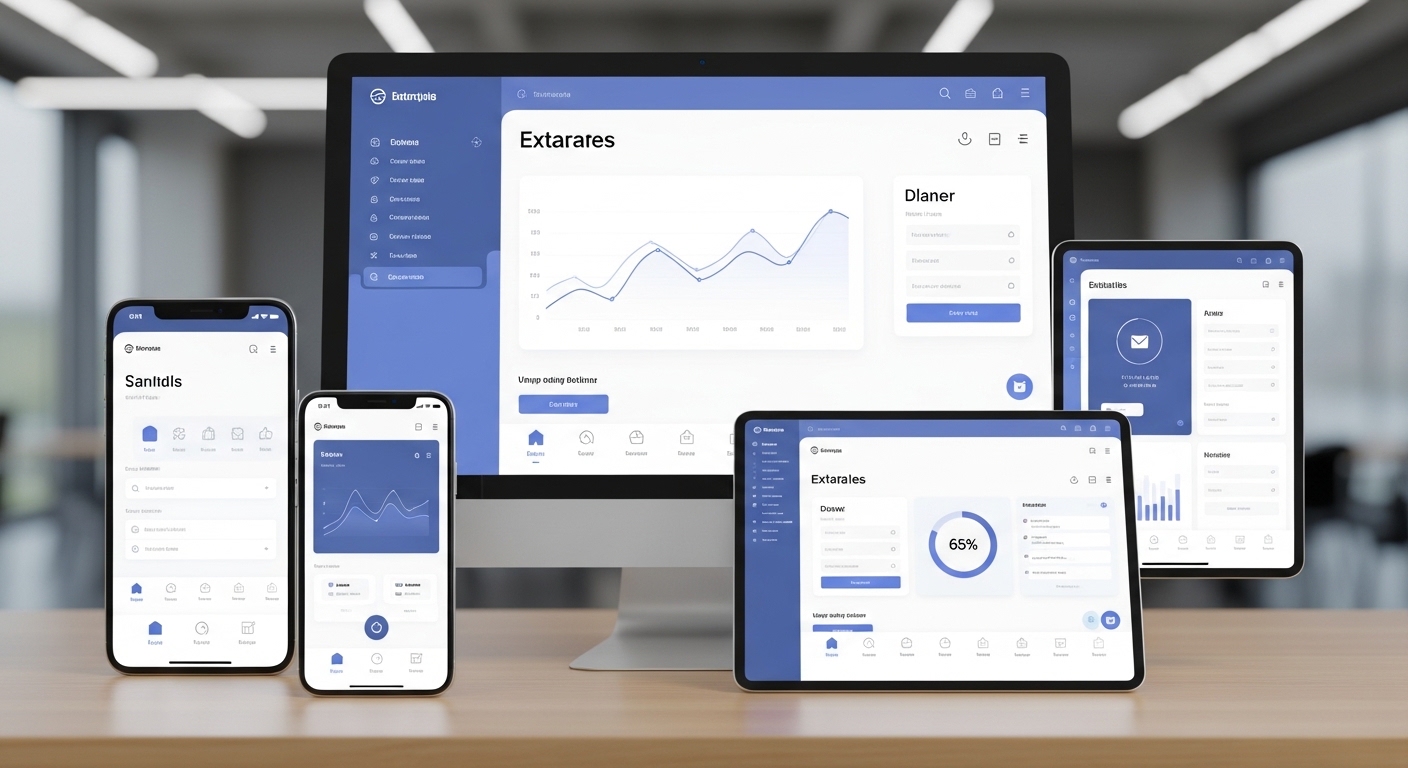
Modern users engage with digital products across a diverse array of devices, including smartphones, tablets, desktops, and emerging wearable technologies. A unified UI/UX strategy ensures that these interactions remain seamless, consistent, and intuitive, providing users with a cohesive experience regardless of the device they choose. Cross-platform design is not simply about replicating interfaces; it is […]

Read more

UX Metrics & Performance Optimization

Measuring performance is a cornerstone of validating and refining UI/UX strategy. Objective metrics provide designers and stakeholders with tangible indicators of user experience quality, helping ensure that design decisions align with business goals. Key performance measures include task completion rate, error frequency, session duration, churn rate, and Net Promoter Score (NPS). Together, these metrics reveal […]

Read more

Interaction Design & Micro-Experiences

Interaction design is a core component of UI/UX strategy, focusing on how users engage with digital products in motion. It encompasses the design of responsiveness, feedback mechanisms, and emotional tone, ensuring that every interaction feels purposeful and intuitive. Micro-interactions—such as hover effects, loading animations, swipe gestures, and confirmation messages—may seem subtle, but they leave lasting […]

Read more

Information Architecture & Experience Flow

Information architecture (IA) is a critical pillar of effective UI/UX strategy, defining how content and functionality are organized within a product. A well-structured IA ensures clarity, logical hierarchy, and intuitive navigation. Without it, even visually compelling interfaces can become confusing, frustrating users and reducing engagement. Strategic IA begins with content auditing and categorization. Designers must […]

Read more