
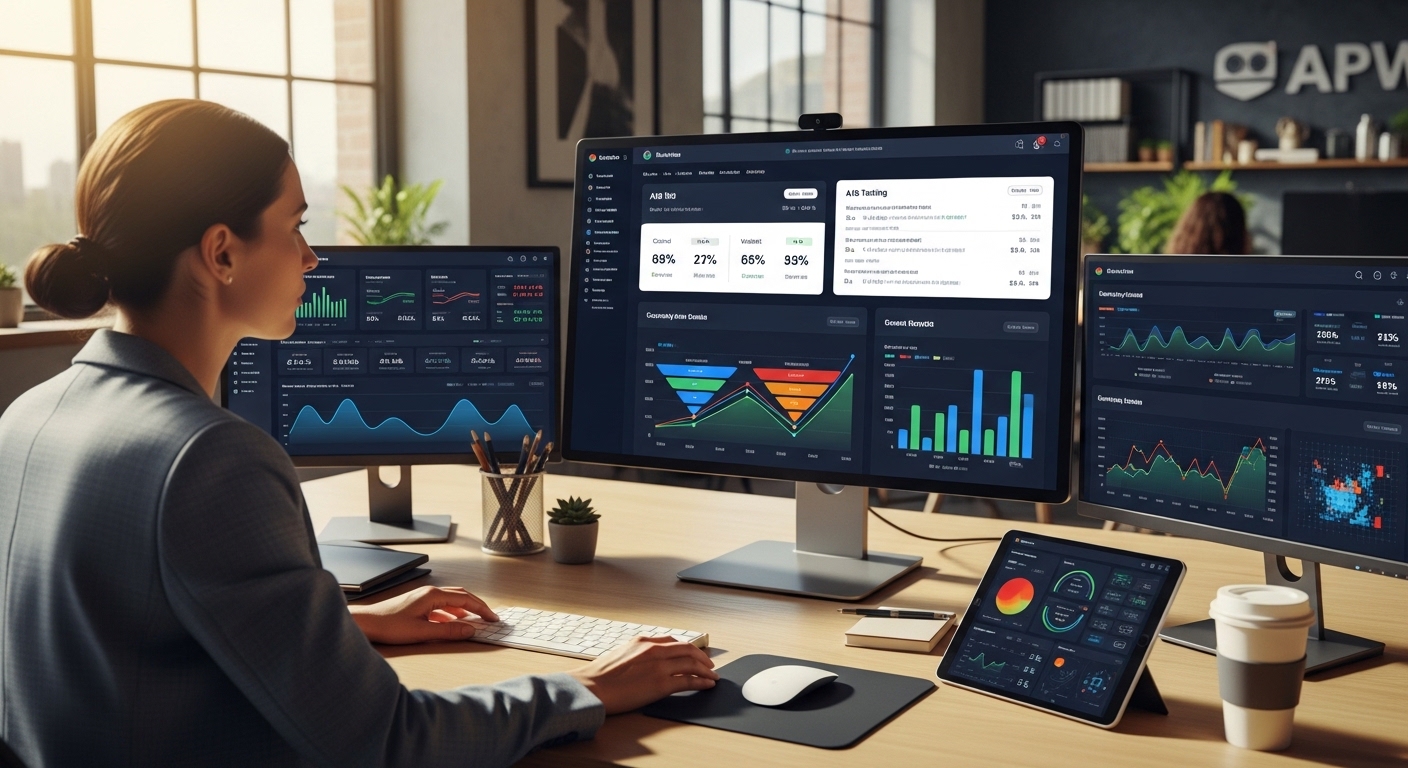
In the fast-paced world of digital marketing, continuous optimization is the key to achieving strong and sustainable results. Campaigns must be regularly monitored, analyzed, and refined to ensure maximum performance and return on investment.
The process starts with tracking key performance indicators (KPIs). Metrics such as click-through rates, conversion rates, and engagement levels provide valuable insights into how well campaigns are performing. By understanding these metrics, marketers can identify what is working and what needs improvement.
A/B testing is a powerful optimization technique. By comparing different versions of ads, landing pages, or content, marketers can determine which variation delivers better results. This data-driven approach eliminates guesswork and ensures that decisions are based on real user behavior.
Audience segmentation is another critical factor. By dividing audiences into smaller, more targeted groups, marketers can deliver personalized messages that resonate more effectively. This leads to higher engagement and improved conversion rates.
Automation tools also enhance efficiency. Marketing automation allows businesses to schedule campaigns, send targeted messages, and manage customer interactions with minimal manual effort. This not only saves time but also ensures consistency across all channels.
Analyzing data is essential for ongoing improvement. By reviewing performance reports, marketers can identify trends, adjust strategies, and allocate budgets more effectively. Data-driven decisions lead to better outcomes and more efficient use of resources.
For companies like Sage LED Screen, optimizing digital marketing efforts ensures that their visual solutions reach the right audience, increasing visibility and business opportunities.
In today’s competitive digital landscape, optimization is not optional—it is essential for staying ahead and achieving long-term marketing success.