
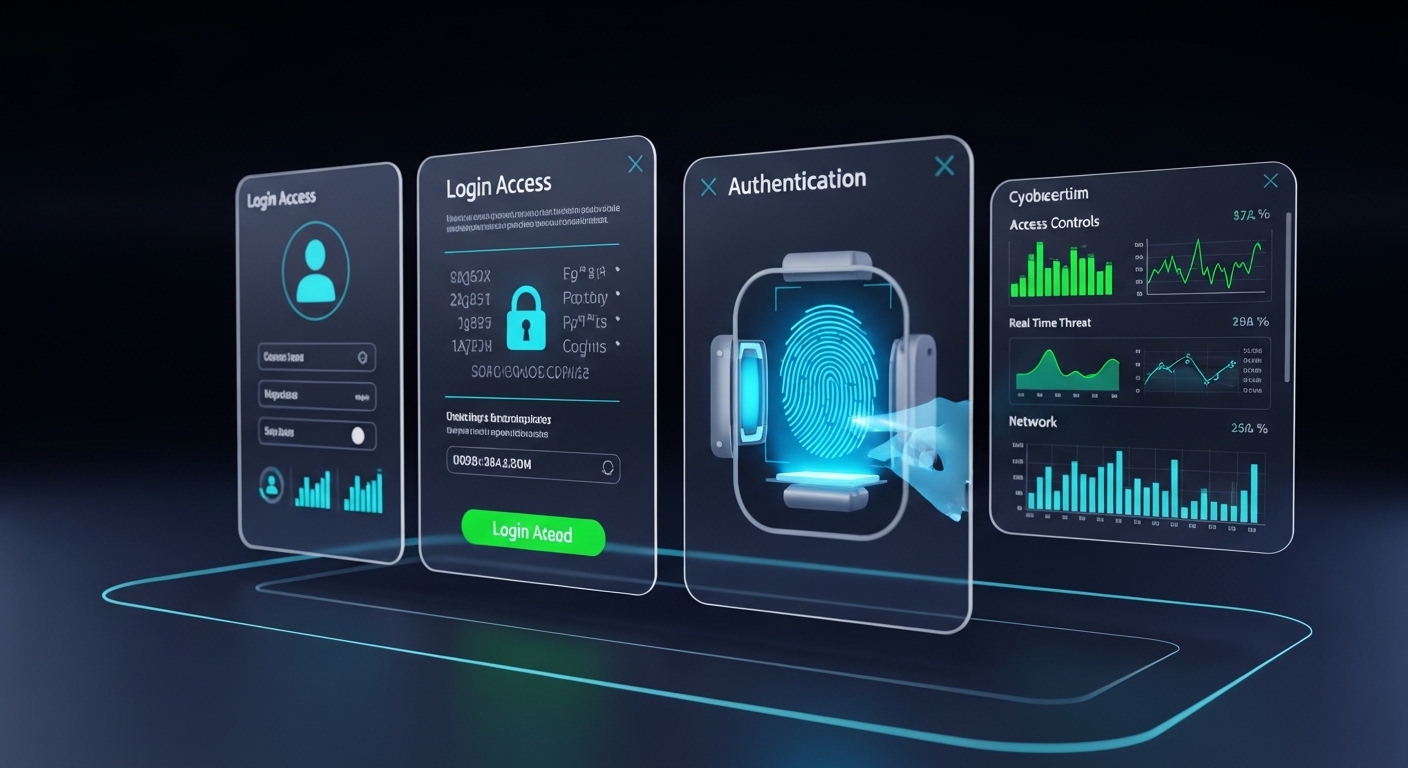
Compromised credentials remain one of the most common and damaging causes of cybersecurity breaches. Attackers often exploit weak passwords, reused credentials, or stolen login information to gain unauthorized access to critical systems. In response, identity and access governance (IAG) has become a cornerstone of modern cybersecurity, ensuring that only authorized individuals can access sensitive data and applications.
A robust IAG framework combines strong authentication mechanisms, role-based access control (RBAC), and continuous monitoring. Multi-factor authentication (MFA) adds an extra layer of security, making it significantly harder for attackers to exploit stolen credentials. RBAC ensures that users can only access the resources necessary for their roles, adhering to the principle of least privilege. This minimizes potential damage if a credential is compromised.
Automation plays a key role in managing identity lifecycles. When employees join, change roles, or leave the organization, automated systems provision, modify, or revoke access rights promptly. This reduces the risk of orphaned accounts, insider threats, and compliance violations. Integration with cloud applications, VPNs, and internal systems ensures consistent enforcement across hybrid environments.
Continuous monitoring further strengthens defenses. By tracking login patterns, unusual access attempts, and suspicious activities, security teams can detect potential breaches before they escalate. Alerts and analytics provide actionable insights for proactive risk management.
In today’s digital-first environment, identity has effectively become the new security perimeter. Protecting credentials and managing access rights is no longer optional—it is a strategic imperative. Organizations that implement comprehensive identity and access governance not only reduce risk but also enhance compliance, maintain operational continuity, and reinforce trust with customers, partners, and stakeholders.