
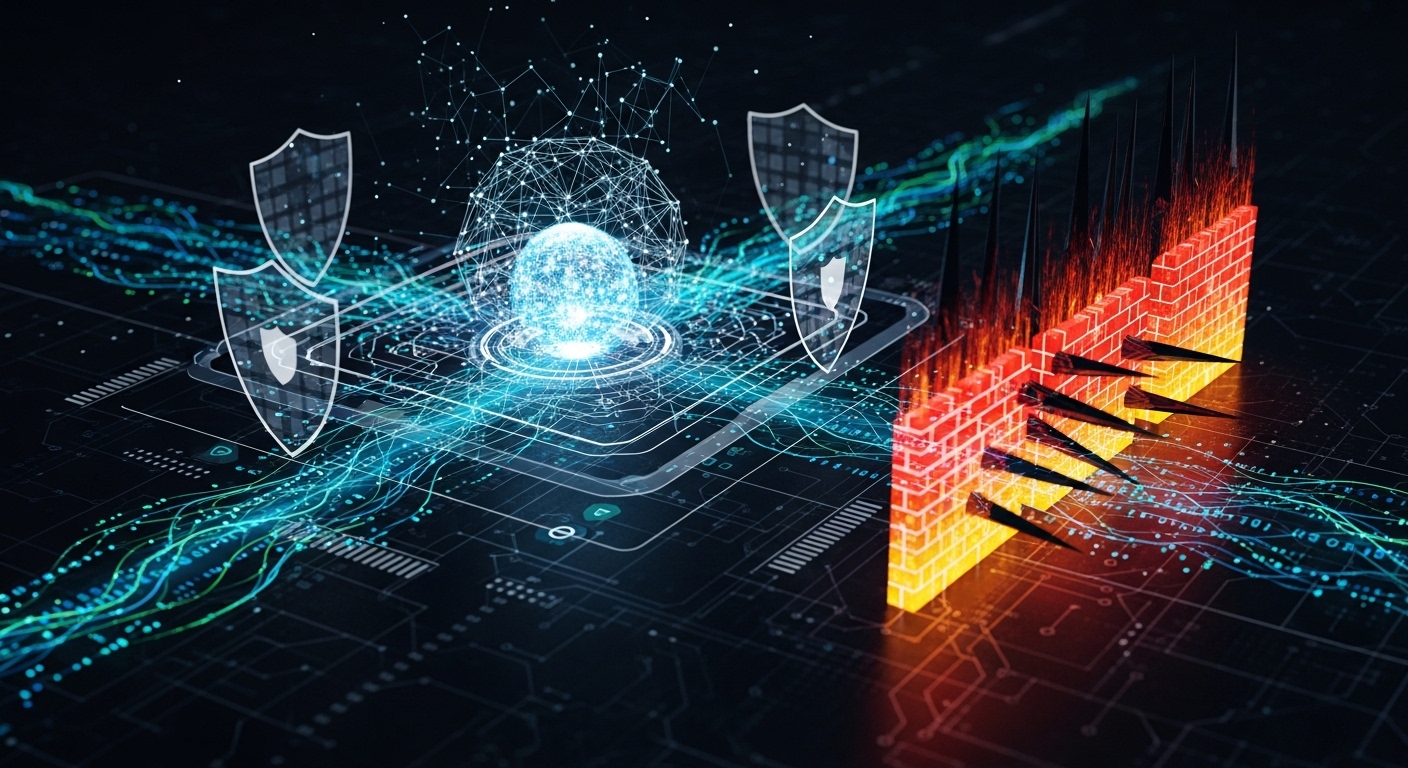
As cyber threats become more sophisticated, organizations must move beyond basic protection and adopt a resilient cybersecurity strategy that can withstand and adapt to evolving risks.
A strong cyber defense strategy focuses on three key pillars: prevention, detection, and response. Prevention involves implementing tools and protocols that minimize the chances of an attack occurring. This includes secure network architecture, encrypted communications, and strict access controls.
Detection plays a crucial role in identifying threats as early as possible. With real-time monitoring systems and advanced analytics, organizations can detect unusual behavior, unauthorized access attempts, or potential vulnerabilities before they escalate into serious incidents.
The response phase ensures that, in the event of a breach, the organization can act quickly to contain the damage and restore operations. Having a well-defined incident response plan is critical. This plan should outline clear steps for investigation, communication, and recovery.
Another essential component is data backup and disaster recovery. Regularly backing up critical data ensures that information can be restored in case of ransomware attacks or system failures, minimizing downtime and data loss.
Organizations must also prioritize compliance with cybersecurity standards and regulations, as these frameworks help establish a baseline for security best practices. Continuous audits and assessments are necessary to maintain and improve security posture over time.
For technology-driven companies like Sage LED Screen, where systems are integrated and rely on continuous data flow, a resilient cybersecurity framework ensures stability and trust in operations.
In an era where cyber threats are inevitable, resilience is the key differentiator. Companies that invest in comprehensive cybersecurity strategies are better equipped to protect their assets, maintain customer trust, and sustain long-term growth.