
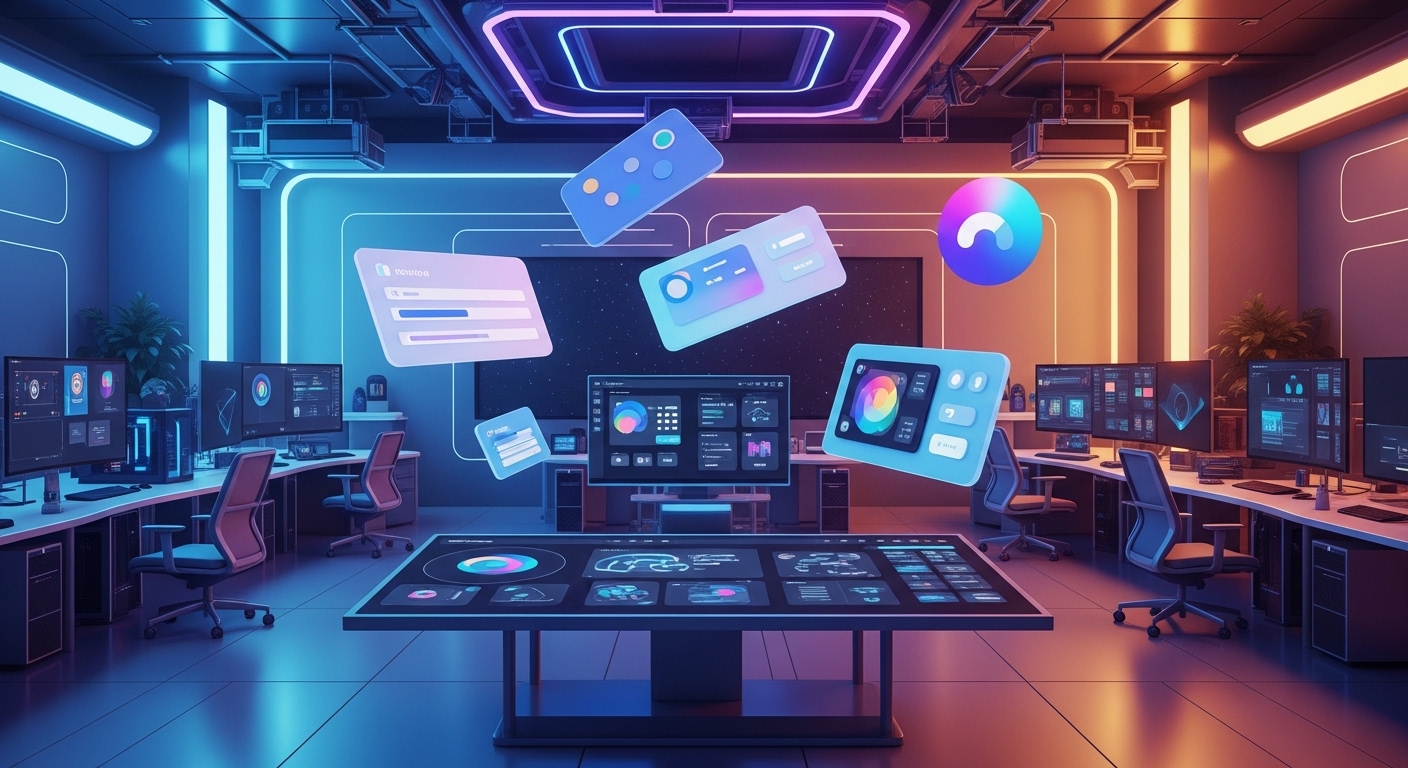
Design is not just functional—it is deeply emotional. Every visual and interactive choice influences how users perceive, feel, and respond to a product or brand. Colors, typography, motion, and layout work together to evoke mood, convey personality, and establish trust. Emotional design moves beyond usability, creating experiences that resonate psychologically and leave lasting impressions.
Experiential design integrates sensory and interactive elements to craft meaningful journeys. In digital products, micro-interactions, hover effects, animations, and feedback loops enhance engagement by making interfaces feel alive and responsive. In physical environments, lighting, textures, spatial flow, and materials shape perception and guide behavior. Each touchpoint contributes to the overall narrative, transforming ordinary interactions into memorable experiences.
Behavioral psychology informs these design decisions. Designers analyze how visual stimuli influence emotions, trust, and satisfaction. For instance, soft, muted colors may communicate calmness and reliability, whereas bold contrasts and dynamic motion signal innovation and energy. Motion cues and interactive feedback reassure users, making interfaces intuitive while subtly shaping emotional responses.
Investing in emotional and experiential design provides a competitive edge. Brands that successfully align aesthetics, interaction, and psychology create deeper connections with their audiences. Positive emotional associations drive loyalty, increase engagement, and elevate perception of value. Customers remember how experiences make them feel—not just what they do.
Ultimately, emotional design transforms transactions into relationships. It elevates products from functional tools to engaging experiences that resonate with users’ values and emotions. Organizations that embrace this approach build meaningful, memorable, and differentiated brand experiences that stand out in today’s crowded digital and physical landscapes.