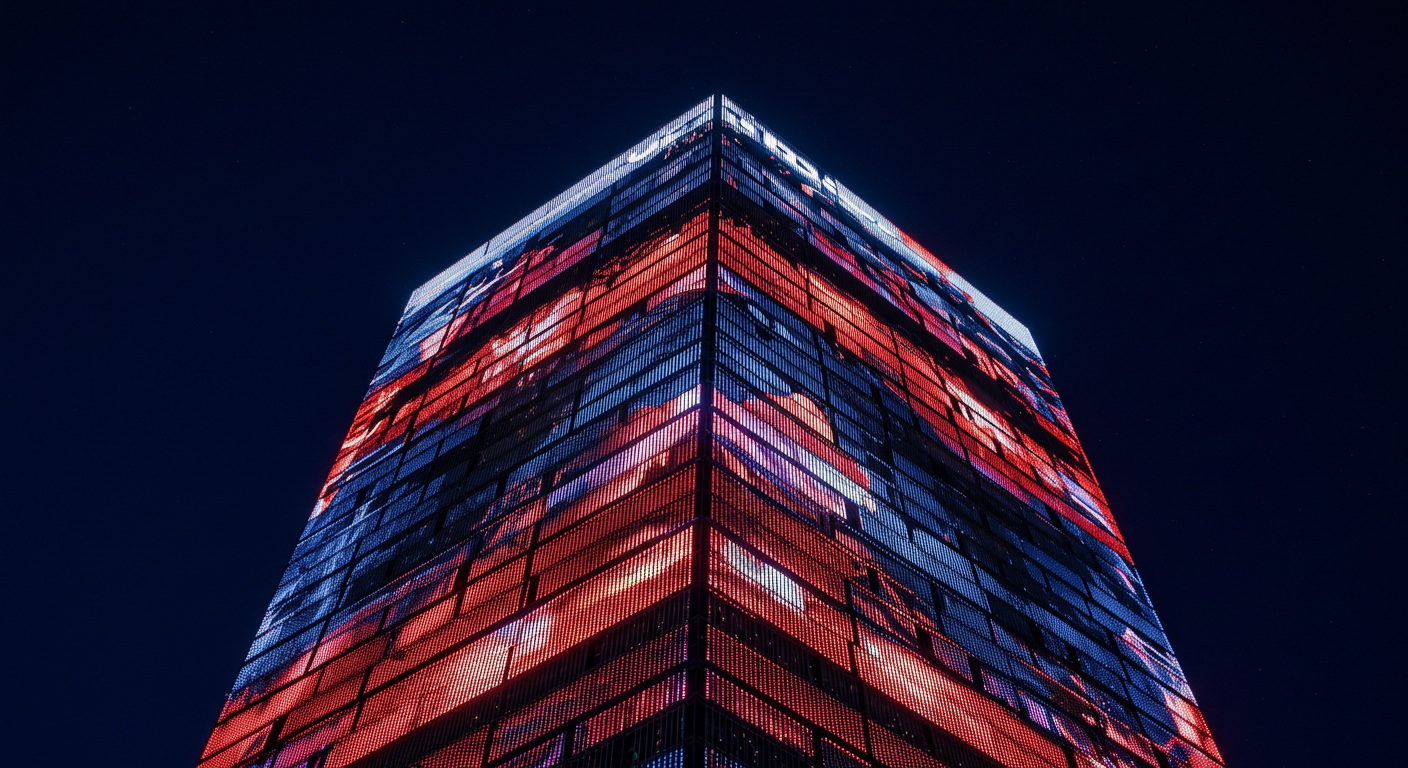
The building as billboard is an old idea. But the building as living canvas? That is new. LED media facades have transformed static exteriors into dynamic skins that breathe with light, color, and motion. Unlike traditional signage bolted onto surfaces, these displays are integrated into the architecture itself—woven into glass, embedded in panels, or mounted as seamless skins that turn entire facades into high-resolution screens. The effect is transformative. By day, the facade appears as ordinary glass or metal. By night, it awakens, displaying abstract art, live data visualizations, or brand narratives that respond to weather, time, or audience movement. The technology demands precision: pixel pitch calibrated for viewing distance, brightness tuned to urban ambient light, and structural engineering that ensures wind and weather resistance. But the true artistry lies in content design. The best media facades don’t broadcast ads; they contribute to the city’s visual culture. They might display generative art that evolves with real-time data, or seasonal animations that celebrate local festivals. They understand that they are not just seen by customers, but by the entire community. This elevates them from commercial tool to civic asset. In doing so, media facades blur the line between advertising and public art, between commerce and culture. They prove that a building can be both functional and expressive—silent by day, poetic by night.