
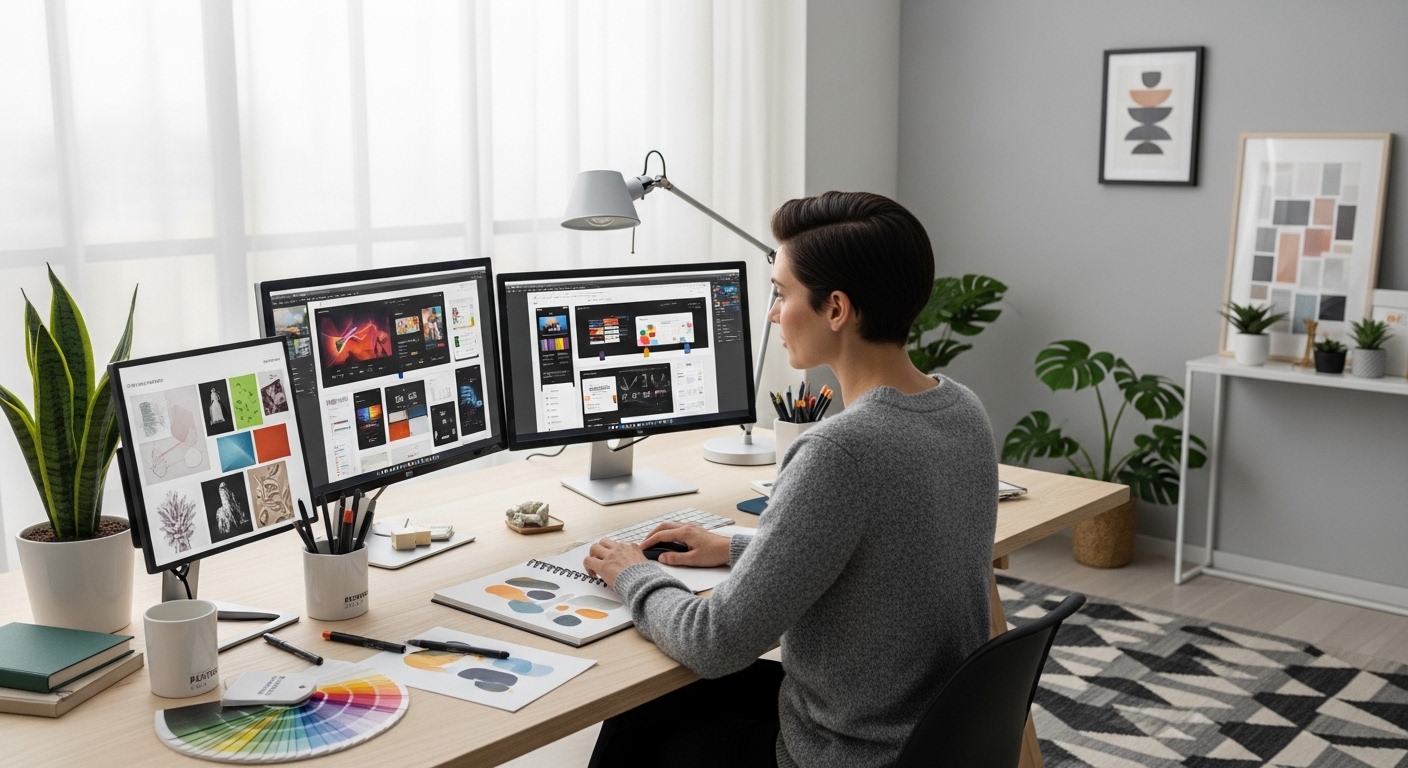
Design is more than just aesthetics—it is a powerful tool that shapes perception, communicates messages, and creates meaningful user experiences. Effective design captures attention, builds trust, and enhances how audiences interact with a brand or product.
The foundation of strong design lies in understanding the target audience. Designers must consider user preferences, behaviors, and expectations to create visuals that resonate. A design that aligns with user needs not only looks appealing but also delivers a clear and intuitive experience.
Color theory plays a critical role in design. Colors evoke emotions and influence how a message is perceived. For example, blue often represents trust and professionalism, while red can signify urgency or excitement. Choosing the right color palette helps reinforce brand identity and improve visual communication.
Typography is another essential element. The right font choice enhances readability and strengthens the overall design. Consistent typography creates hierarchy, guiding users through content in a structured and visually pleasing way.
Balance and composition ensure that designs are visually harmonious. Proper spacing, alignment, and layout create a clean and organized look, making content easier to consume. Good composition directs attention to key elements and avoids visual clutter.
For companies like Sage LED Screen, design is especially important in delivering impactful visual experiences across digital displays. A well-designed screen layout enhances clarity, engagement, and audience interaction.
Ultimately, great design is a combination of creativity and strategy. It is not only about making things look good, but about solving problems, improving usability, and creating lasting impressions that connect with audiences.