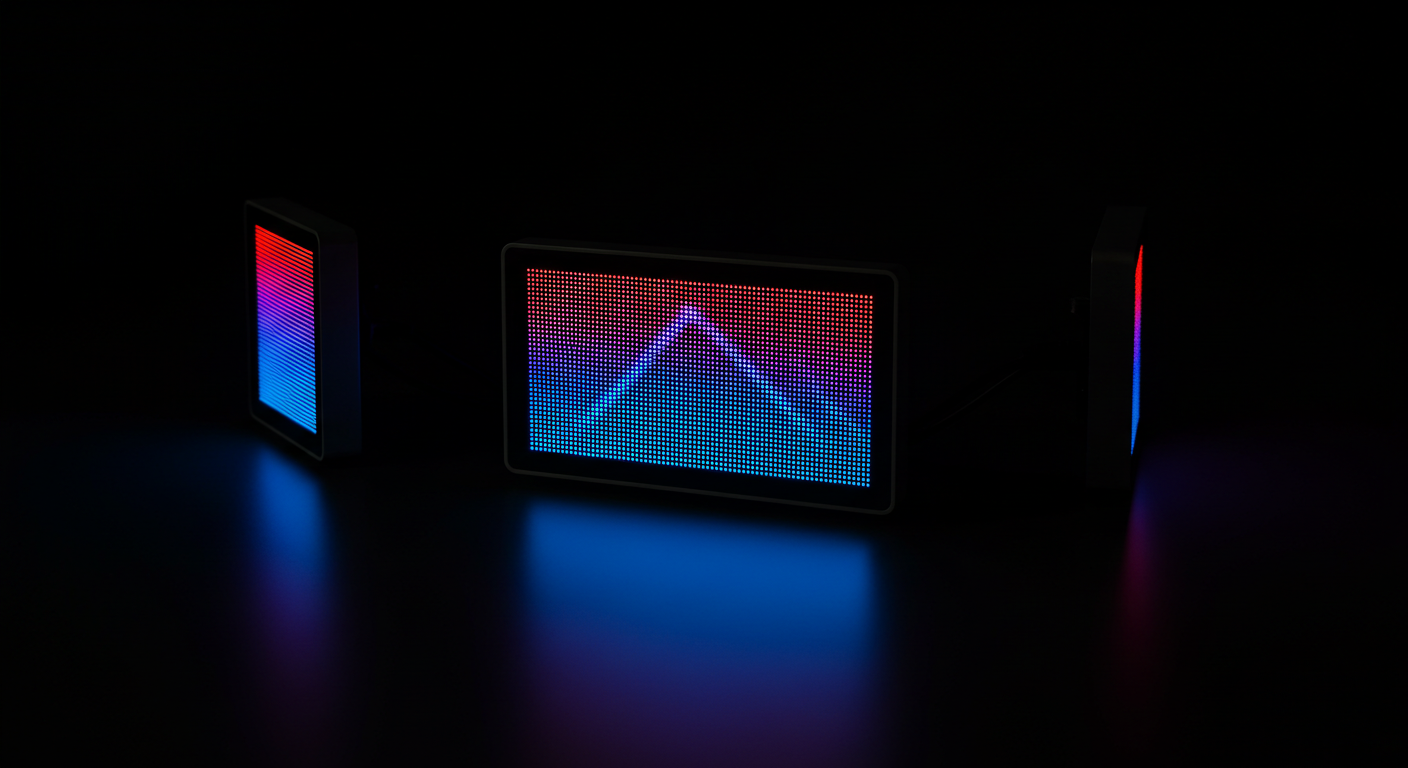
Walk into a modern store, and you might notice something missing: paper price tags. In their place, sleek electronic labels glow with clear, up-to-date information. These LED price tags are far more than digital replacements; they are nodes in a responsive retail ecosystem. Connected to a central management system, they allow instant price changes across thousands of items with a single command—eliminating printing costs, human error, and the chaos of manual updates. During flash sales, prices shift in real time. Promotions activate automatically at scheduled hours. Stock levels can be displayed alongside pricing, reducing customer frustration and staff inquiries. The impact is both operational and experiential. For staff, hours once spent labeling shelves are redirected to customer service. For shoppers, the store feels more accurate, more modern, more trustworthy. The tags themselves are designed for clarity: high-contrast displays readable from multiple angles, low power consumption for months of battery life, and minimalist aesthetics that don’t distract from the product. But beyond efficiency, there’s a psychological shift. Digital tags signal a store that is agile, precise, and in control. They reflect a commitment to transparency—no more mismatched prices or outdated discounts. In an age where consumers expect real-time information, static labels feel archaic. Digital pricing isn’t just about saving paper; it’s about aligning the physical store with the speed and accuracy of the digital world. It’s a quiet revolution, glowing softly on every shelf.