
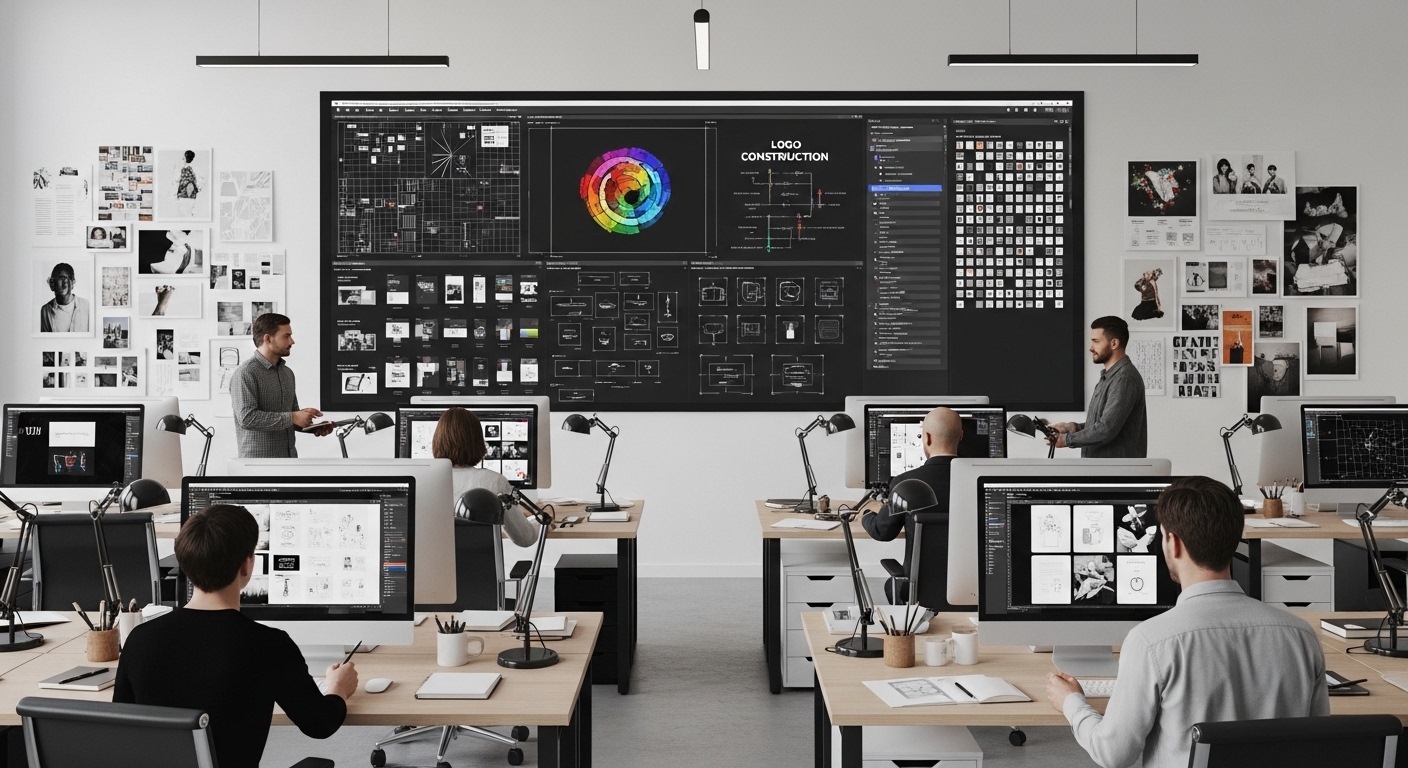
In today’s highly competitive digital landscape, design is no longer just about aesthetics—it is a strategic business function. Modern design shapes user experiences, influences purchasing decisions, and defines brand identity. Companies that invest in thoughtful, data-informed design gain a measurable advantage in both engagement and revenue growth.
Design is the intersection of creativity, psychology, and functionality. It goes beyond colors and typography to solve problems, guide user behavior, and create meaningful interactions. Whether in digital products, branding systems, or user interfaces, effective design aligns visual communication with business objectives.
One of the most critical aspects of modern design is user-centered thinking. By understanding user needs, behaviors, and pain points, designers create intuitive experiences that reduce friction and increase satisfaction. This approach improves usability, strengthens trust, and enhances long-term customer loyalty.
Consistency is another pillar of strong design strategy. A cohesive visual identity across websites, applications, marketing materials, and social platforms builds recognition and credibility. Design systems—complete with structured typography, color palettes, spacing rules, and component libraries—ensure scalability while maintaining brand integrity.
In digital environments, design also plays a direct role in performance. Well-structured layouts, clear visual hierarchies, and optimized interfaces improve conversion rates and engagement metrics. From UX research and wireframing to high-fidelity prototyping and testing, every design decision impacts measurable outcomes.
Moreover, modern design integrates seamlessly with technology. Responsive frameworks, accessibility standards, motion design, and interactive elements elevate user experience while ensuring inclusivity and cross-platform functionality. As digital ecosystems evolve, adaptive and flexible design becomes essential.
Ultimately, strategic design transforms brands into experiences. It communicates value without words, builds emotional connections, and differentiates businesses in saturated markets. In an era driven by digital interaction, design is not decoration—it is direction.