
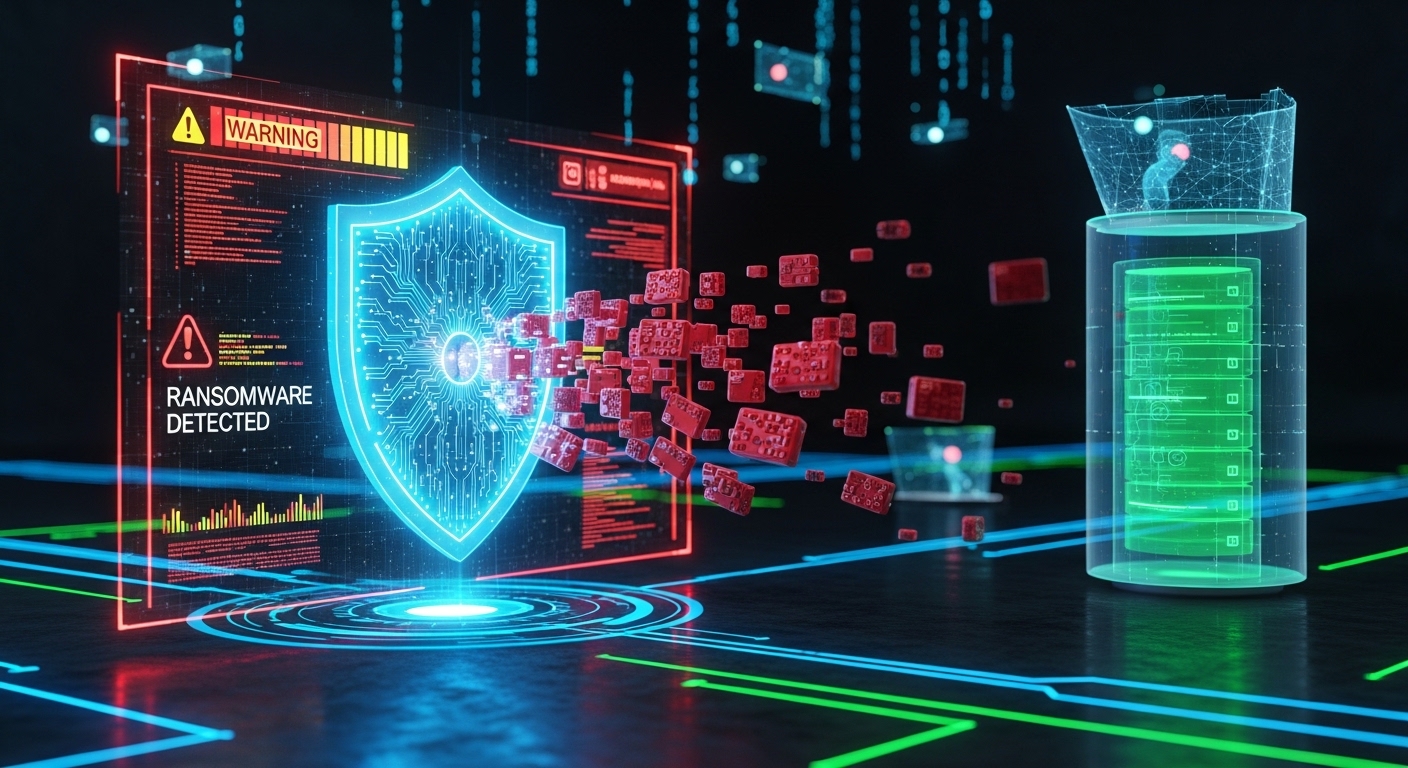
Ransomware attacks have become one of the most disruptive threats in today’s digital landscape. Cybercriminals have evolved from opportunistic hackers into highly organized groups, targeting businesses of all sizes with sophisticated malware that encrypts critical systems and demands ransom payments. The consequences of a successful attack are severe: operational downtime, lost revenue, reputational damage, and potential regulatory penalties. Building comprehensive ransomware resilience is essential for organizations to maintain continuity and protect digital assets.
Prevention is the first line of defense. Endpoint protection platforms, firewalls, intrusion detection systems, and robust antivirus solutions help detect and block malicious activity. Regular patch management ensures that vulnerabilities in operating systems, applications, and network devices are addressed promptly. However, technology alone is insufficient—human factors remain critical. Phishing and social engineering attacks are the most common vectors for ransomware, making employee awareness training a vital component of prevention. Simulated attacks and continuous education programs help users recognize threats and respond appropriately.
Preparation and recovery planning are equally important. Organizations should implement a rigorous backup strategy, maintaining multiple copies of critical data offline or in isolated environments. These backups allow rapid restoration without succumbing to ransom demands. Incident response plans must be clearly documented, regularly tested, and integrated into broader business continuity strategies. Teams should know precisely how to isolate infected systems, communicate with stakeholders, and resume operations efficiently.
Ransomware resilience is not merely a technical requirement—it is a strategic imperative. Organizations that integrate proactive prevention, real-time detection, and structured recovery frameworks significantly reduce risk exposure and potential financial loss. By adopting a holistic approach, businesses can withstand ransomware attacks while maintaining operational stability, safeguarding customer trust, and ensuring long-term cybersecurity readiness.