
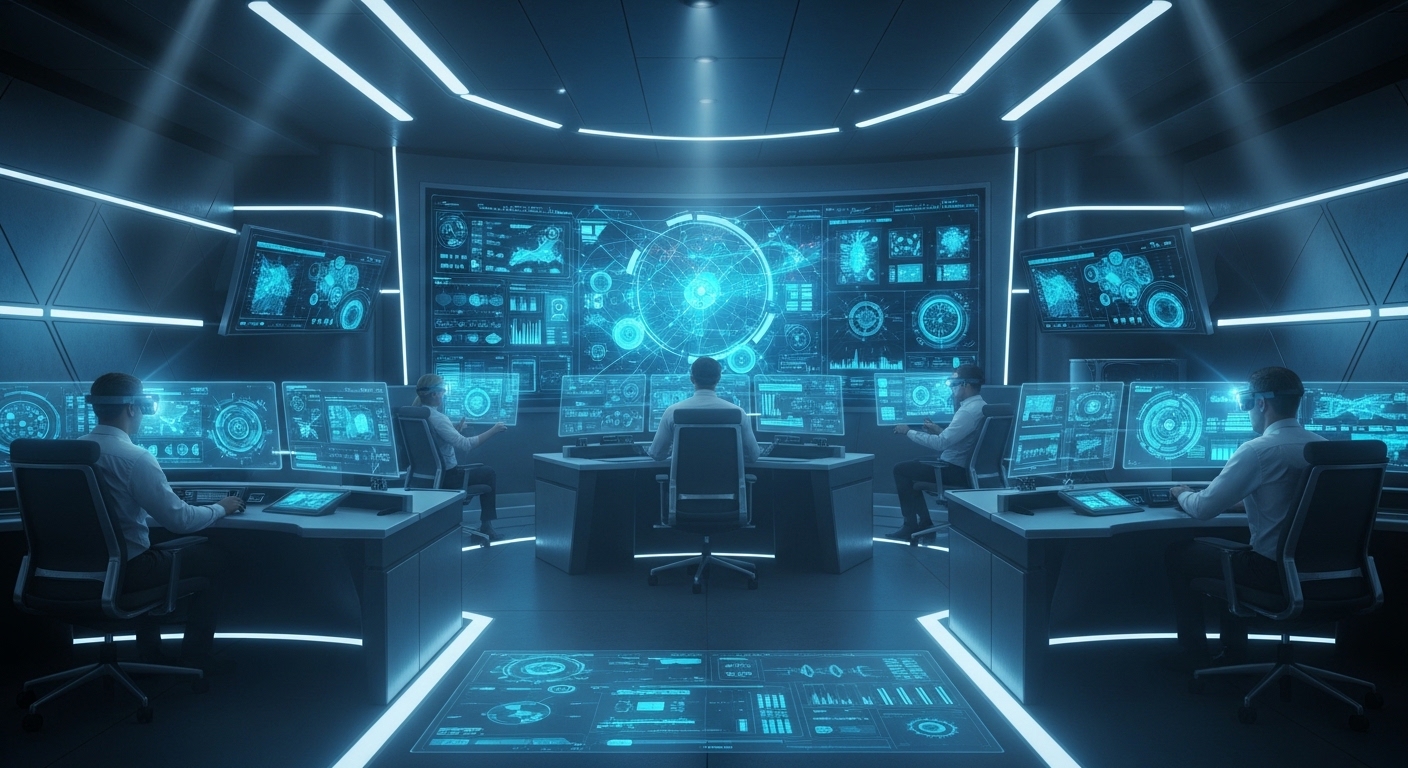
In today’s hyper-connected world, organizations rely heavily on digital infrastructure to manage operations, store data, and communicate efficiently. However, this dependency comes with significant risks as cyber threats continue to evolve in complexity and scale.
Cybersecurity is no longer an optional layer of protection—it is a fundamental requirement for any modern business. From ransomware attacks to data breaches and phishing scams, cybercriminals are constantly developing new techniques to exploit vulnerabilities. Businesses that fail to implement strong security measures risk not only financial losses but also reputational damage and operational disruption.
A robust cybersecurity strategy begins with understanding potential threats and identifying weak points within the system. This includes securing networks, monitoring system activity, and ensuring that all endpoints are protected. Regular software updates and patch management are also critical to closing security gaps that attackers might exploit.
Equally important is employee awareness. Human error remains one of the leading causes of cyber incidents. Training staff to recognize suspicious emails, avoid unsafe downloads, and follow best practices can significantly reduce risk.
Advanced solutions such as firewalls, intrusion detection systems, and multi-factor authentication add additional layers of defense. Moreover, organizations should adopt a proactive approach by continuously monitoring their systems and responding quickly to any suspicious activity.
For companies operating in environments like control rooms and digital signage—such as Sage LED Screen—maintaining cybersecurity is essential to ensure uninterrupted performance and secure data flow across systems.
Ultimately, cybersecurity is about resilience. It is not just about preventing attacks but also ensuring the ability to recover quickly and maintain business continuity in the face of threats.