
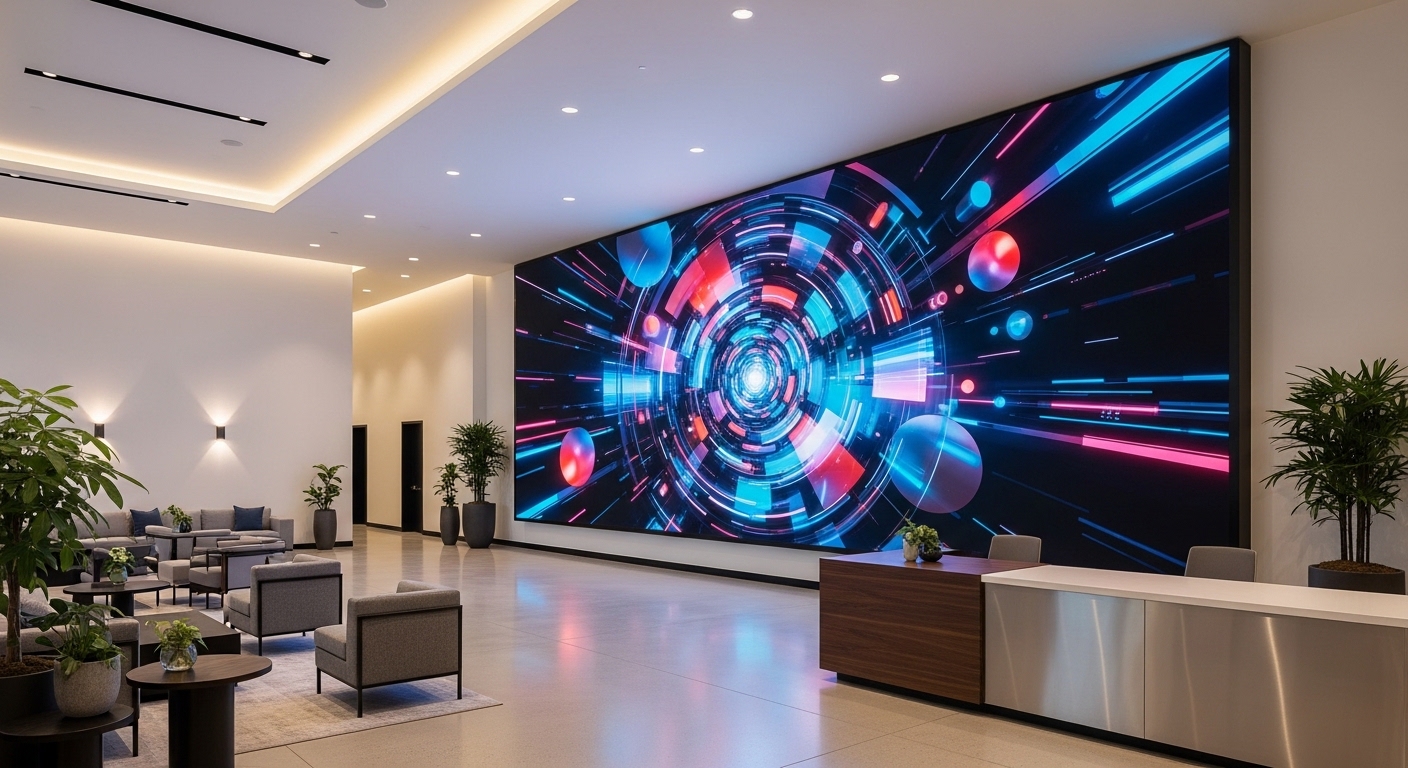
Indoor LED screens are transforming how organizations design engaging and dynamic spaces. From corporate lobbies and retail environments to conference halls, entertainment venues, and exhibition areas, these displays provide immersive visual experiences that captivate audiences and enhance brand presence. Unlike traditional LCD panels, indoor LED screens offer seamless panel connections that eliminate visible bezels, enabling large, continuous video walls with exceptional clarity and uniformity. High pixel density ensures crisp and detailed visuals, making them ideal for close viewing distances where image quality is critical.
Customization is one of the strongest advantages of indoor LED displays. Screens can be curved, wrapped around architectural elements, or configured into creative digital installations. Retailers leverage these solutions to showcase promotions and interactive product displays, while event organizers use them for dynamic stage backdrops, live feeds, or presentations that command attention. This adaptability allows businesses to align digital displays with the aesthetics and functional requirements of any space.
Modern indoor LED systems also offer intuitive content management. Centralized platforms enable businesses to schedule videos, live streams, or interactive media with ease. Integration with lighting and audio systems further enhances the overall experience, creating an immersive environment that engages both visual and auditory senses.
Beyond aesthetics, indoor LED screens improve communication efficiency. They allow organizations to deliver corporate messaging, brand storytelling, and event content in a visually compelling format that resonates with viewers. The flexibility to update content in real time ensures that messaging remains relevant and impactful, while the immersive quality of LED technology fosters stronger engagement and retention.
By combining seamless visuals, design flexibility, and easy content control, indoor LED displays elevate interior spaces into interactive experiences. Organizations that adopt this technology benefit from enhanced brand visibility, improved audience interaction, and memorable visual impact that differentiates them in competitive environments.