
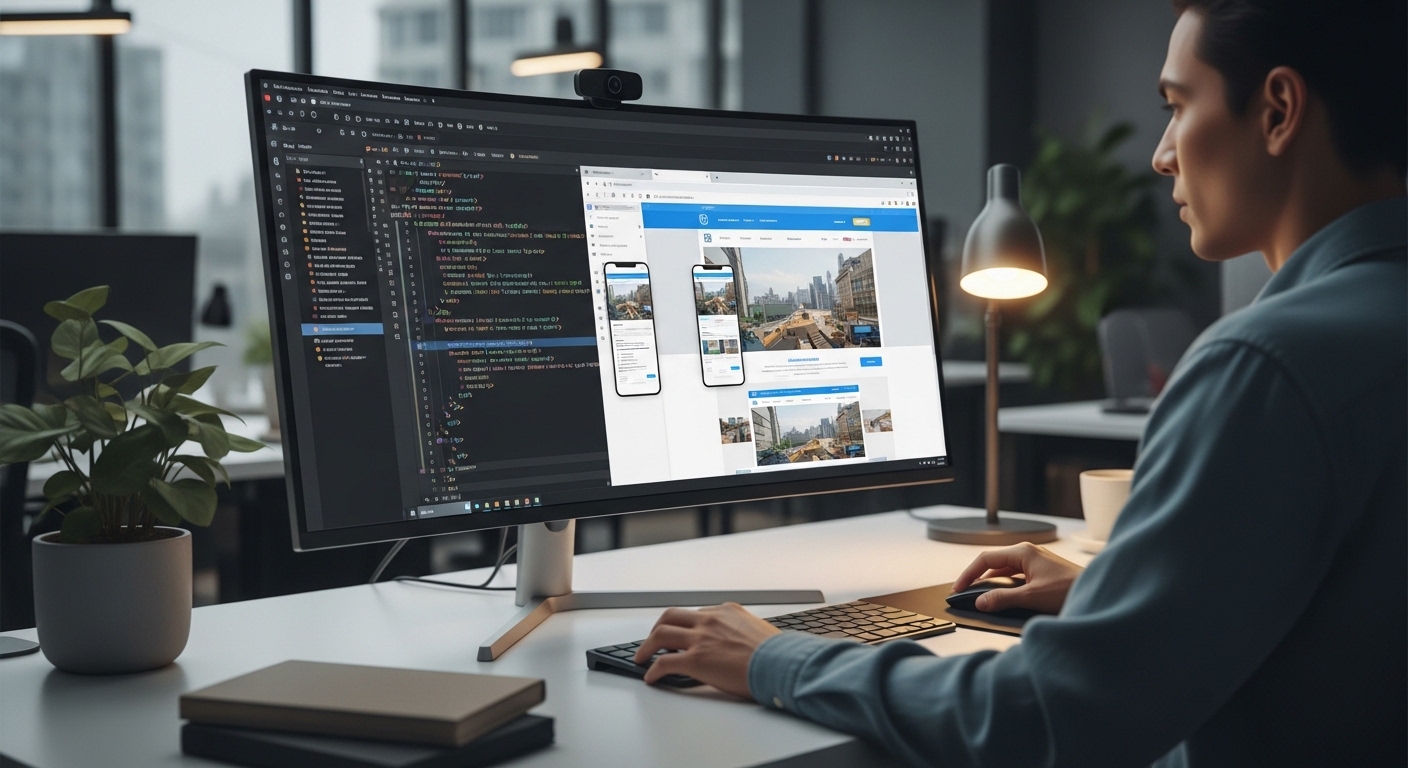
Frontend development serves as the visual and interactive layer of the web, translating design concepts into functional interfaces that users interact with daily. It combines creativity, usability, and technical precision to deliver seamless digital experiences. Modern frontend technologies enable dynamic content updates, smooth animations, and responsive layouts that enhance engagement without requiring full page reloads.
Responsive design is central to frontend success. Websites must adapt across a range of devices, from desktops and tablets to smartphones. Flexible grids, scalable images, and adaptive typography maintain visual consistency while accessibility standards ensure that content is usable for all users, including those with disabilities. Features such as keyboard navigation, screen reader support, and color contrast optimization enhance inclusivity and user satisfaction.
Performance optimization plays a critical role in user retention and engagement. Techniques like image compression, lazy loading, and efficient scripting minimize load times, ensuring users encounter fast and responsive interactions. Even small delays can increase bounce rates and negatively affect conversion metrics.
Component-driven architecture has transformed frontend development. By creating reusable UI elements, developers maintain design consistency, accelerate deployment, and simplify maintenance. Integration with APIs further enhances interactivity, enabling real-time data rendering and personalized experiences that respond to user behavior and preferences.
Security and code quality are also vital. Proper input validation, dependency management, and adherence to coding standards prevent vulnerabilities and enhance maintainability. Continuous testing and debugging ensure that user interfaces remain reliable and functional across different browsers and devices. In essence, frontend development bridges design and functionality, shaping how users perceive a brand while influencing satisfaction, trust, and engagement. A well-executed frontend not only delivers aesthetic appeal but also fosters intuitive interactions, ultimately contributing to the success of digital products in a competitive online environment.