
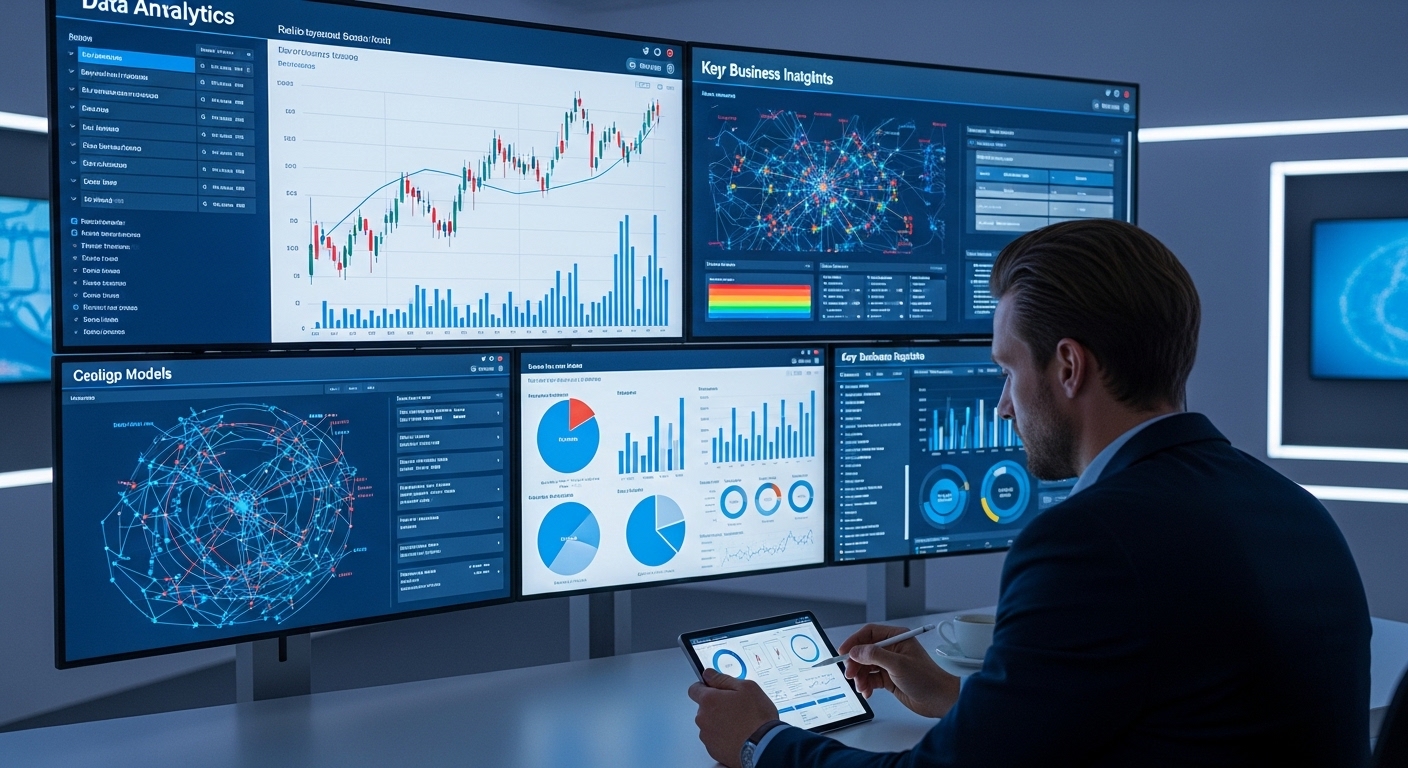
In today’s data-centric world, businesses depend on data analysis to transform raw information into actionable insights that drive smarter decisions. Organizations that effectively leverage data gain a competitive advantage by understanding trends, predicting outcomes, and optimizing performance.
The foundation of successful data analysis lies in data collection and accuracy. High-quality data from reliable sources ensures that insights are trustworthy and meaningful. Poor or incomplete data can lead to misleading conclusions, which may negatively impact strategic decisions.
Once data is collected, the next step is processing and cleaning. This involves removing duplicates, correcting errors, and organizing data into a structured format. Clean data allows analysts to uncover patterns and relationships that would otherwise remain hidden.
Visualization plays a crucial role in data analysis. Charts, graphs, and dashboards help translate complex datasets into clear and understandable insights. Visual tools make it easier for stakeholders to grasp trends quickly and make informed decisions without needing deep technical knowledge.
Another important aspect is identifying key performance indicators (KPIs). These metrics help businesses measure success and track progress toward their goals. By continuously monitoring KPIs, organizations can detect areas for improvement and adjust strategies accordingly.
Advanced analytics techniques such as predictive analysis and machine learning further enhance decision-making. These methods enable businesses to forecast future trends, anticipate customer behavior, and proactively respond to market changes.
For organizations like Sage LED Screen, data analysis ensures optimal system performance, efficient operations, and better decision-making across digital environments.
Ultimately, data analysis empowers organizations to move from intuition-based decisions to evidence-based strategies, ensuring accuracy, efficiency, and long-term success.