
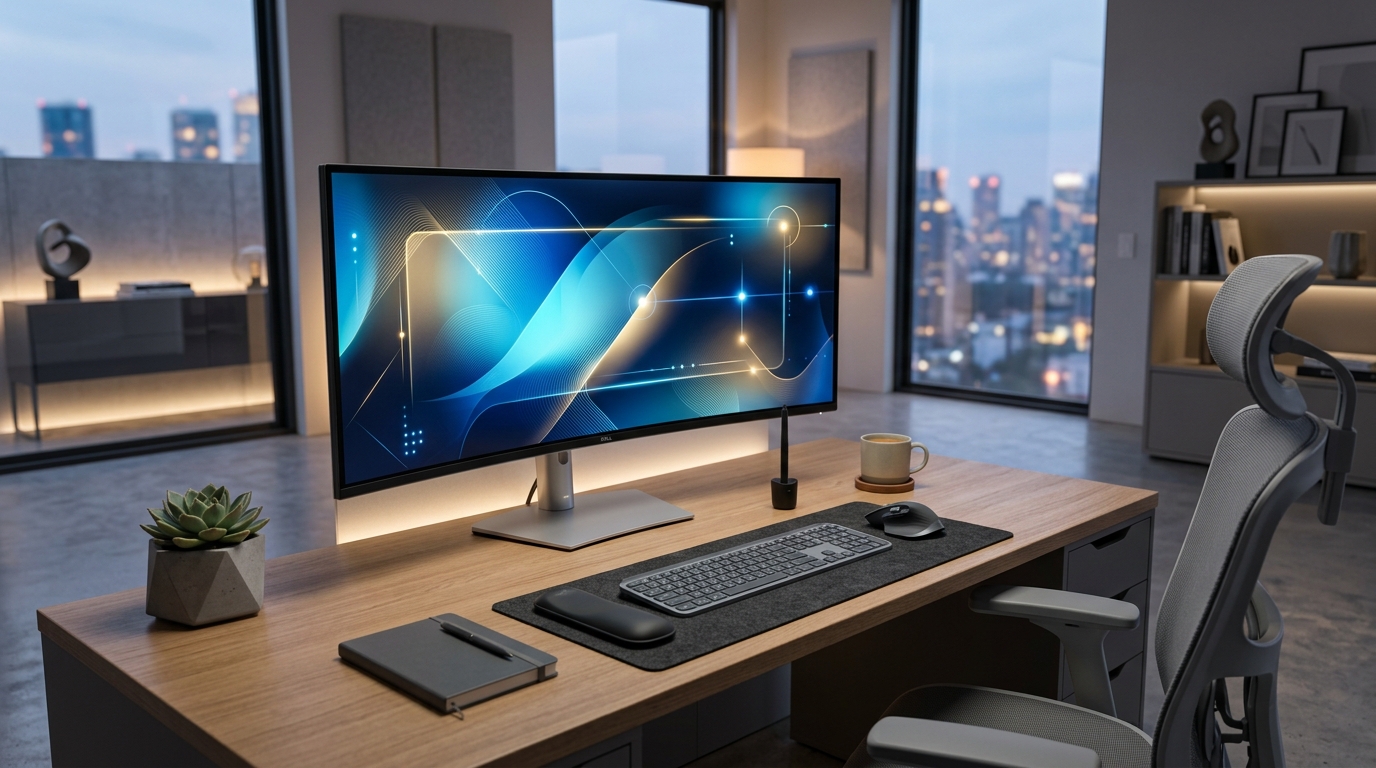
Modern design plays a powerful role in shaping communication, branding, and user interaction across digital and physical environments. Businesses today depend on professional design strategies to create memorable experiences, strengthen brand identity, and improve customer engagement. Design is no longer limited to aesthetics alone; it combines creativity, psychology, technology, and functionality to deliver meaningful visual communication that supports business growth and long term success.
Effective design begins with clarity and purpose. Designers analyze audience behavior, market trends, and communication goals to create visuals that connect emotionally while remaining functional and intuitive. Typography, spacing, color harmony, and composition work together to guide attention and improve readability across websites, applications, advertising materials, and digital platforms.
Consistency is another essential aspect of modern design. Unified design systems help organizations maintain recognizable branding across multiple channels while improving workflow efficiency. Reusable components and structured visual guidelines ensure cohesive experiences that strengthen trust and professionalism. This consistency becomes increasingly important as businesses expand their digital presence and communication strategies.
Technological advancements continue transforming the design industry rapidly. Interactive interfaces, motion graphics, three dimensional visuals, and responsive layouts allow businesses to deliver immersive experiences that capture audience attention effectively. Responsive design principles ensure seamless performance across desktops, tablets, and mobile devices, improving accessibility and user satisfaction simultaneously.
Collaboration between creative teams, developers, and marketers also enhances design quality. Strategic alignment between visual identity and business objectives helps organizations communicate more effectively and improve customer engagement. Data driven design decisions further support optimization by identifying which visual elements generate stronger interaction and conversion performance.
As digital ecosystems continue evolving, innovative design becomes essential for competitive differentiation. Businesses investing in professional design solutions gain stronger brand recognition, improved communication effectiveness, and more engaging customer experiences. By combining artistic creativity with strategic planning and advanced technology, modern design helps organizations create lasting impressions and maintain relevance within highly competitive digital markets where visual communication strongly influences audience perception, interaction, and business growth globally today.