
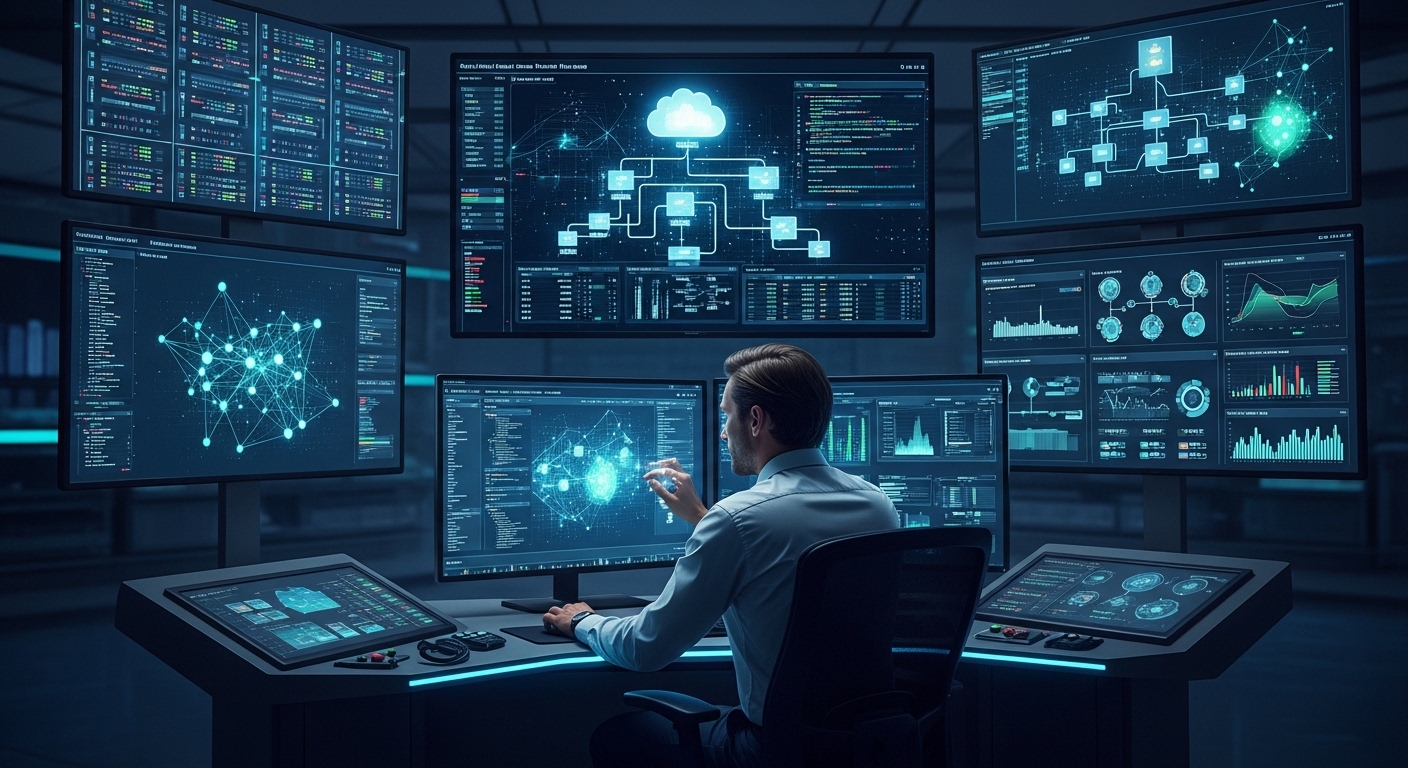
Optimizing IT systems is essential for ensuring efficiency, performance, and reliability within modern organizations. As businesses increasingly depend on technology, maintaining well-structured and optimized systems becomes a key factor in operational success.
The optimization process begins with a comprehensive assessment of existing systems. IT consultants evaluate hardware, software, network performance, and security measures to identify inefficiencies and potential risks. This analysis provides a clear roadmap for improvements.
Performance optimization is a major focus. Slow systems, network delays, or outdated software can significantly impact productivity. By upgrading infrastructure, implementing cloud solutions, and fine-tuning configurations, businesses can achieve faster and more reliable performance.
System integration is another important aspect. Many organizations use multiple platforms and tools, which need to work seamlessly together. IT consultants ensure smooth integration between systems, enabling better data flow and improved collaboration across departments.
Security optimization is equally critical. Strengthening cybersecurity measures helps protect against threats such as data breaches and unauthorized access. Regular updates, monitoring systems, and security audits play a key role in maintaining a secure environment.
IT consultants also focus on cost optimization. By analyzing resource usage and eliminating inefficiencies, organizations can reduce operational costs while maintaining high performance and quality.
For companies like Sage LED Screen, optimizing IT systems ensures reliable performance of digital displays, control systems, and connected technologies, supporting uninterrupted operations and enhanced user experience.
In today’s technology-driven world, IT system optimization is not just an improvement—it is a necessity. It ensures that businesses remain agile, secure, and capable of adapting to future challenges.