
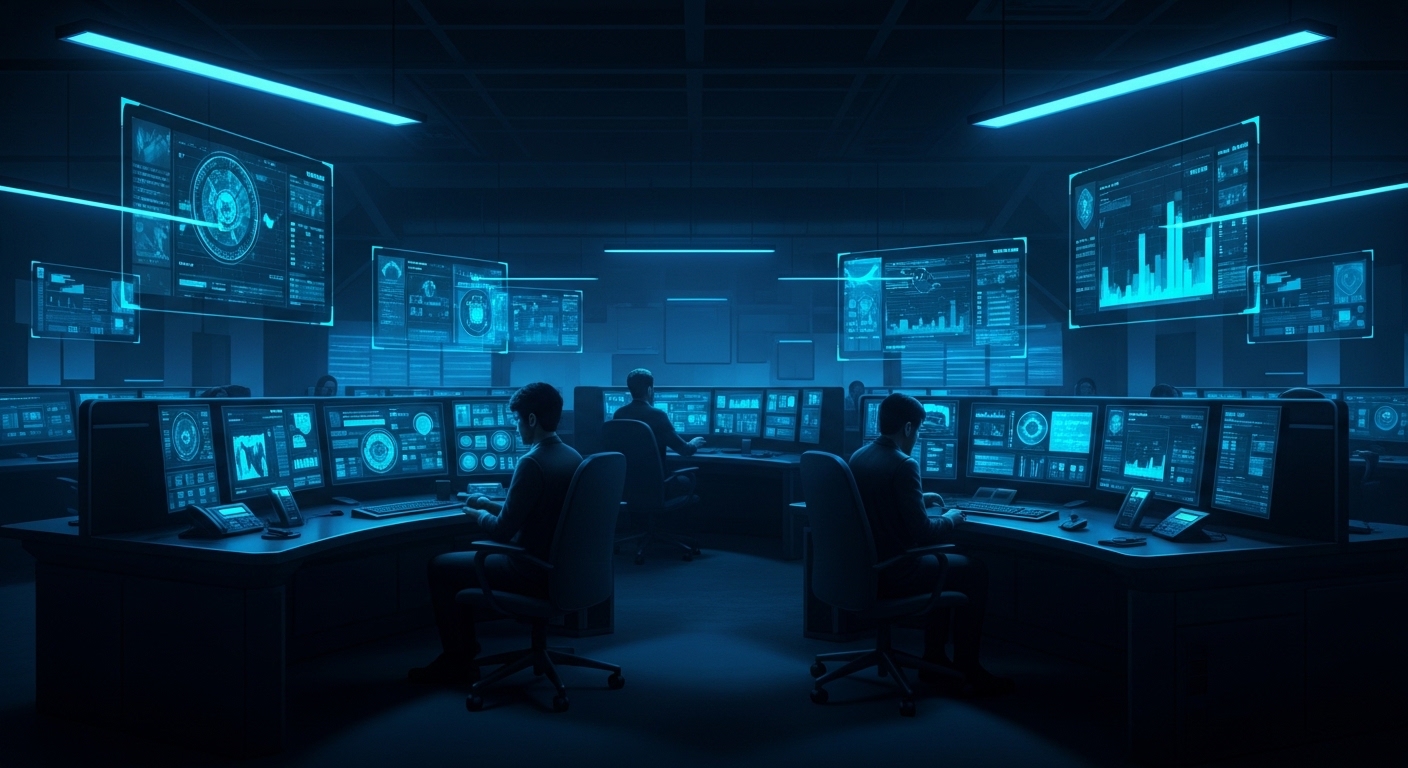
Cybersecurity has entered a new era where speed and adaptability determine organizational survival. Traditional rule-based defenses, relying on known signatures and static rules, are increasingly insufficient against rapidly evolving cyber threats. In response, Artificial Intelligence (AI) is transforming cyber defense from reactive measures into predictive and adaptive strategies.
AI-powered systems continuously analyze massive streams of data in real time, detecting anomalies and behavioral patterns that human analysts might miss. Machine learning models monitor endpoints, network traffic, and cloud environments, identifying suspicious activity even when it does not match previously known attack signatures. This proactive detection allows organizations to anticipate threats before they escalate into breaches.
Automation further amplifies defense capabilities. Once AI identifies a potential threat, automated responses can isolate compromised devices, block malicious IP addresses, or escalate high-priority alerts to security teams. These real-time interventions reduce reaction time and limit potential damage, turning cybersecurity from a reactive function into a dynamic, ongoing protective process.
Beyond threat detection, AI enhances threat hunting and forensic analysis. By uncovering hidden attack vectors and correlating seemingly unrelated events, AI provides security teams with actionable insights and strategic guidance. Analysts can then focus on complex decision-making, incident response planning, and continuous improvement, while routine monitoring and repetitive tasks are handled by intelligent systems.
Nevertheless, AI is not a replacement for human expertise. Its true value lies in augmenting human analysts, enabling faster, more accurate, and scalable responses to increasingly sophisticated threats. Organizations that integrate AI into their cybersecurity frameworks gain a competitive advantage by combining computational precision with human judgment.
As digital ecosystems expand and attacks become more complex, AI-driven cybersecurity is no longer optional—it is essential. Intelligent automation, predictive modeling, and continuous learning form the foundation of modern defense, ensuring that businesses can protect assets, maintain trust, and stay ahead in a constantly evolving threat landscape.