
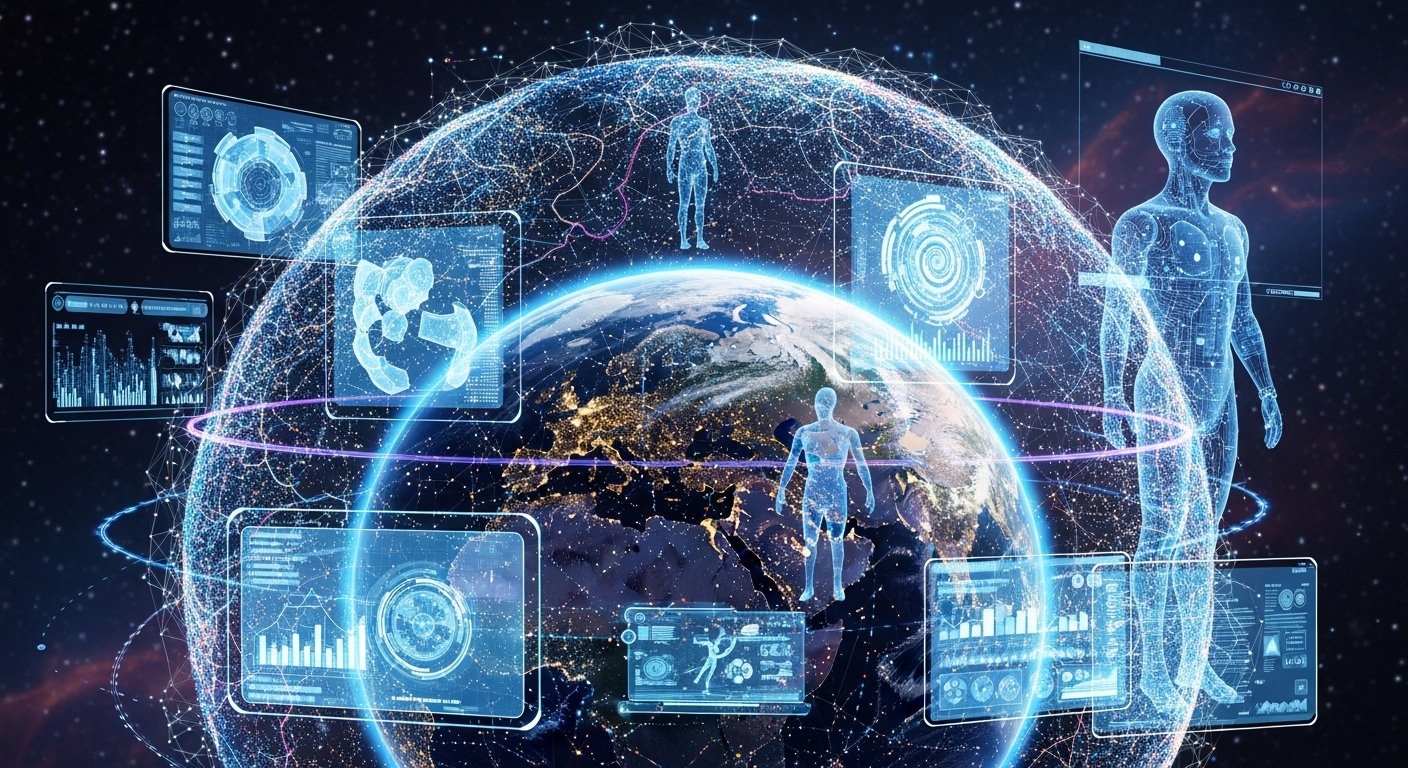
Technology has become the structural backbone of modern civilization, transforming industries, economies, and daily life at a speed previously unimaginable. Over recent decades, advances in computing power, data processing, and global connectivity have reshaped how societies operate. Tasks that once relied on manual effort and physical infrastructure are now executed seamlessly through intelligent digital systems in real time.
The initial wave of technological progress centered on digitization—converting analog information into digital formats. This enabled automation, efficient data storage, and faster communication channels. The rise of the internet then expanded these capabilities on a global scale, connecting businesses, governments, and individuals in ways that redefined commerce, education, and social interaction. As broadband and mobile networks advanced, digital ecosystems matured, integrating cloud services, online platforms, and interconnected devices into cohesive environments.
Modern technology now operates in dynamic, layered networks. Cloud infrastructure, artificial intelligence, cybersecurity frameworks, and smart devices interact to create intelligent systems capable of predictive analytics, automated decision-making, and real-time responsiveness. Businesses leverage these networks to optimize operations, enhance productivity, and deliver superior customer experiences, while governments use digital platforms to streamline public services, manage infrastructure, and support urban development.
Technology evolution is no longer purely technical—it is strategic. Organizations must continuously innovate to stay competitive, aligning investments in digital solutions with growth, efficiency, and innovation goals. Initiatives in digital transformation now define corporate strategy, ensuring that technology adoption delivers measurable value across operations and revenue streams.
Looking ahead, emerging technologies such as quantum computing, advanced robotics, and neural interfaces are poised to further expand possibilities, enabling capabilities once considered science fiction. The ongoing evolution of modern technology reflects humanity’s relentless pursuit of efficiency, connectivity, and progress, shaping the way we live, work, and interact in a hyper-connected world.