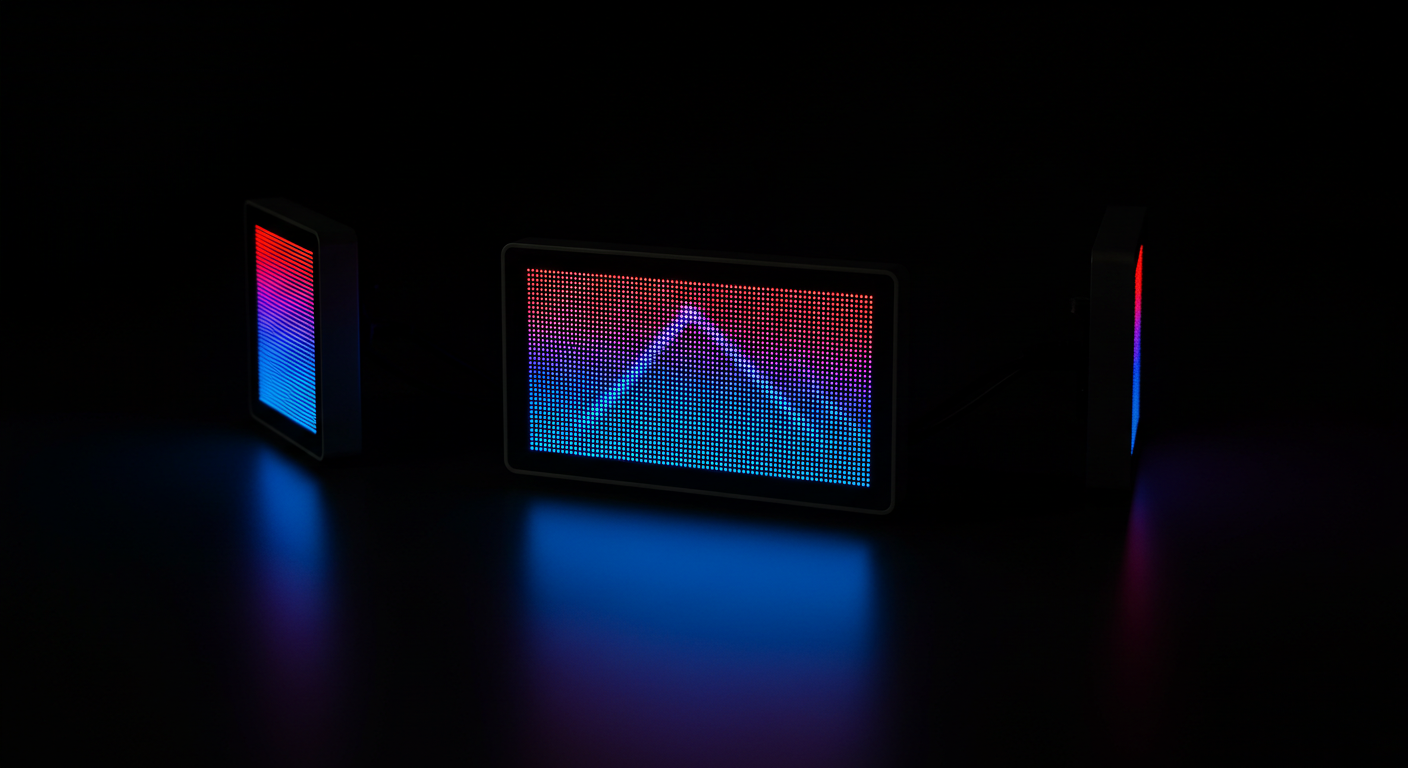
In the quiet hum of control rooms—from traffic management centers to energy grids—decisions are made that affect millions. At the heart of these spaces glows a wall of light: the LED video wall. This is not entertainment; it’s infrastructure. Composed of dozens of seamless panels, it displays real-time feeds, data visualizations, and live camera views with zero lag and unwavering reliability. Every pixel matters. A misread color on a thermal map could mean a missed fire. A delayed frame in a security feed could mean a lost suspect. Thus, these walls are engineered for endurance: 24/7 operation, redundant power, hot-swappable modules, and precise color calibration. But beyond specs, it’s about cognitive clarity. The layout is designed for instant comprehension—critical alerts in high-contrast zones, maps in intuitive geospatial arrangements, timelines in chronological flow. Operators don’t “watch” the wall; they read it like a dashboard. The screen becomes an extension of their perception, turning abstract data into actionable insight. In emergencies, it unifies teams, providing a single source of truth that everyone can see and trust. This is technology at its most essential: invisible in its function, indispensable in its impact. It doesn’t seek attention; it enables action. In a world of flashy displays, the control room LED wall is the ultimate professional—always on, always clear, always ready.